GALÁPAGOS / TRAVEL JOURNAL

Galapagos Wildlife Guide

Originally published

This article preserves its original publication. Prices, regulations, routes and availability mentioned in the guide require current confirmation.

GALAPAGOS WILDLIFE GUIDE

Meet the extraordinary wildlife of the Galápagos

Discover the iconic animals that make the Galápagos Islands one of the world's most extraordinary wildlife destinations. Learn where to find each species, the best time to see it and your chances of encountering it during your journey.

BENEATH THE SURFACE

Marine Life

From whale sharks and hammerheads to sea turtles, rays and the extraordinary red-lipped batfish, Galápagos waters offer some of the most remarkable marine encounters on Earth.
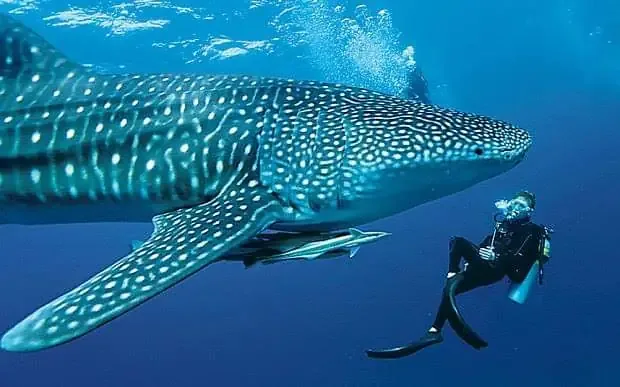
Whale Shark Moderate in season

Whale Shark

Where to see itDarwin & Wolf Islands
Best timeJune – November

The world's largest fish and one of the ultimate encounters of an eight-day Galápagos liveaboard diving expedition.
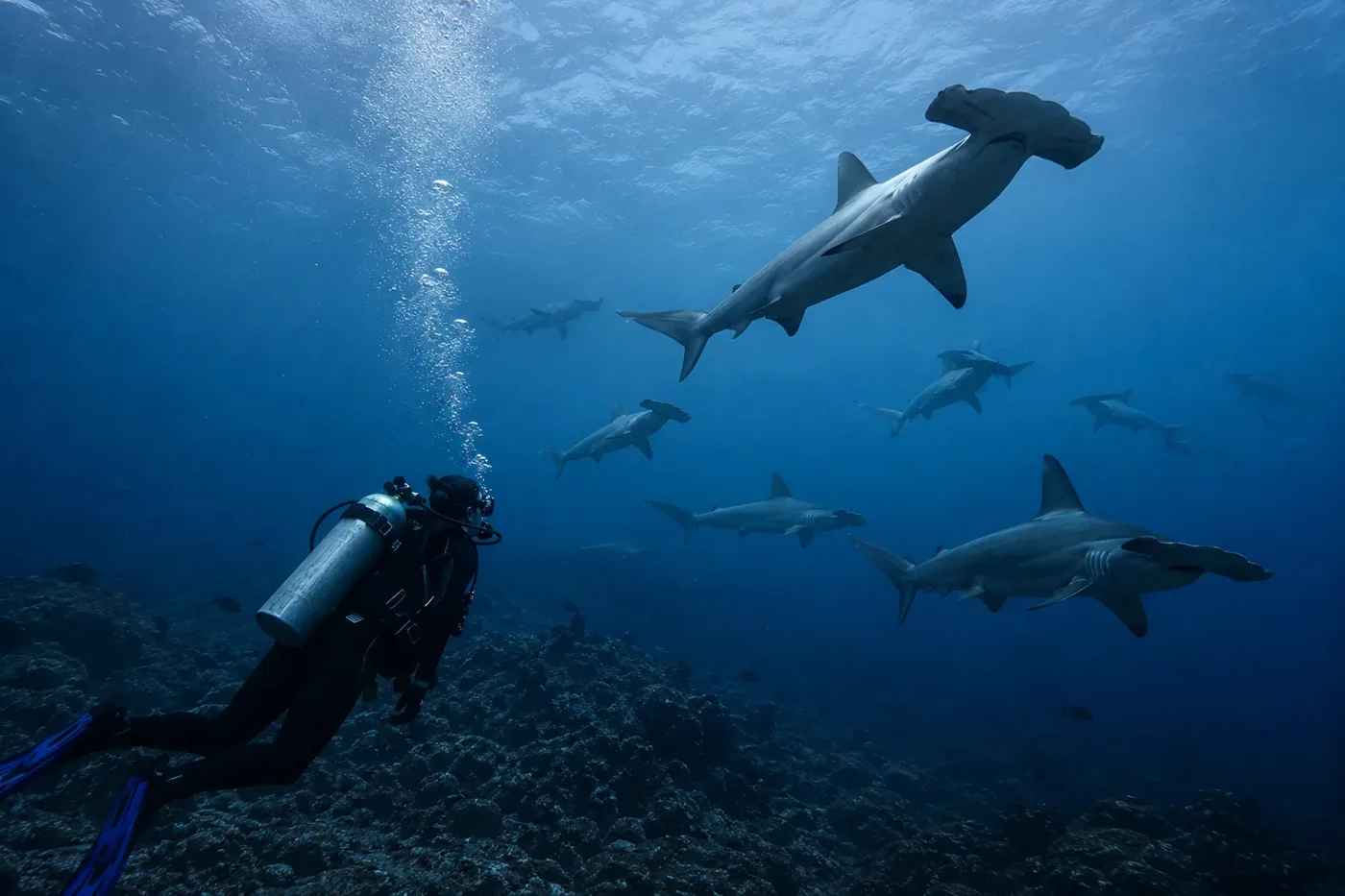
Scalloped Hammerhead Shark Moderate

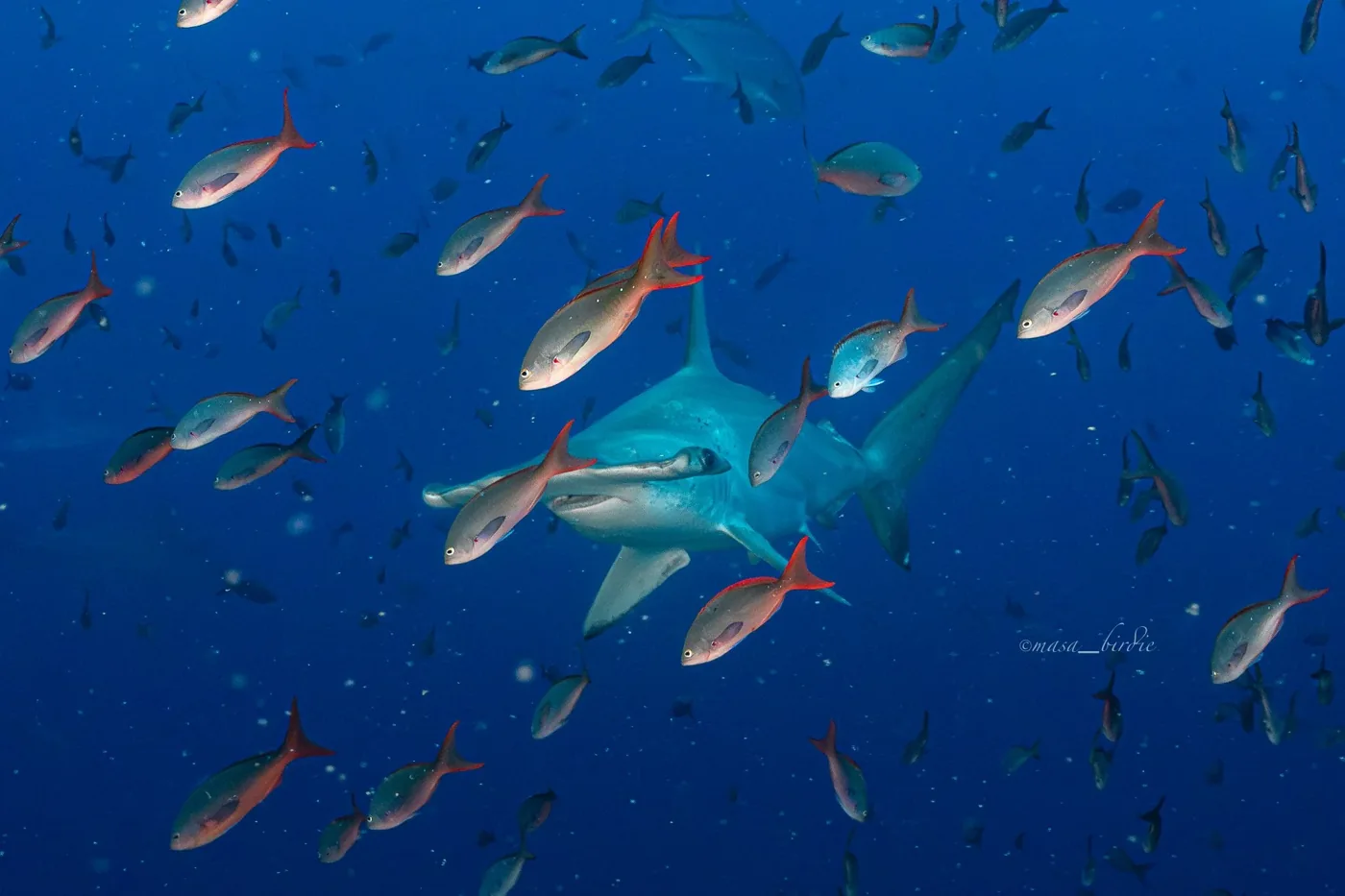
Scalloped Hammerhead Shark

Where to see itGordon Rocks, Kicker Rock, Darwin & Wolf
Best timeAll year

Galápagos is one of the world's legendary destinations for encounters with schools of scalloped hammerheads.

Galapagos Shark Moderate

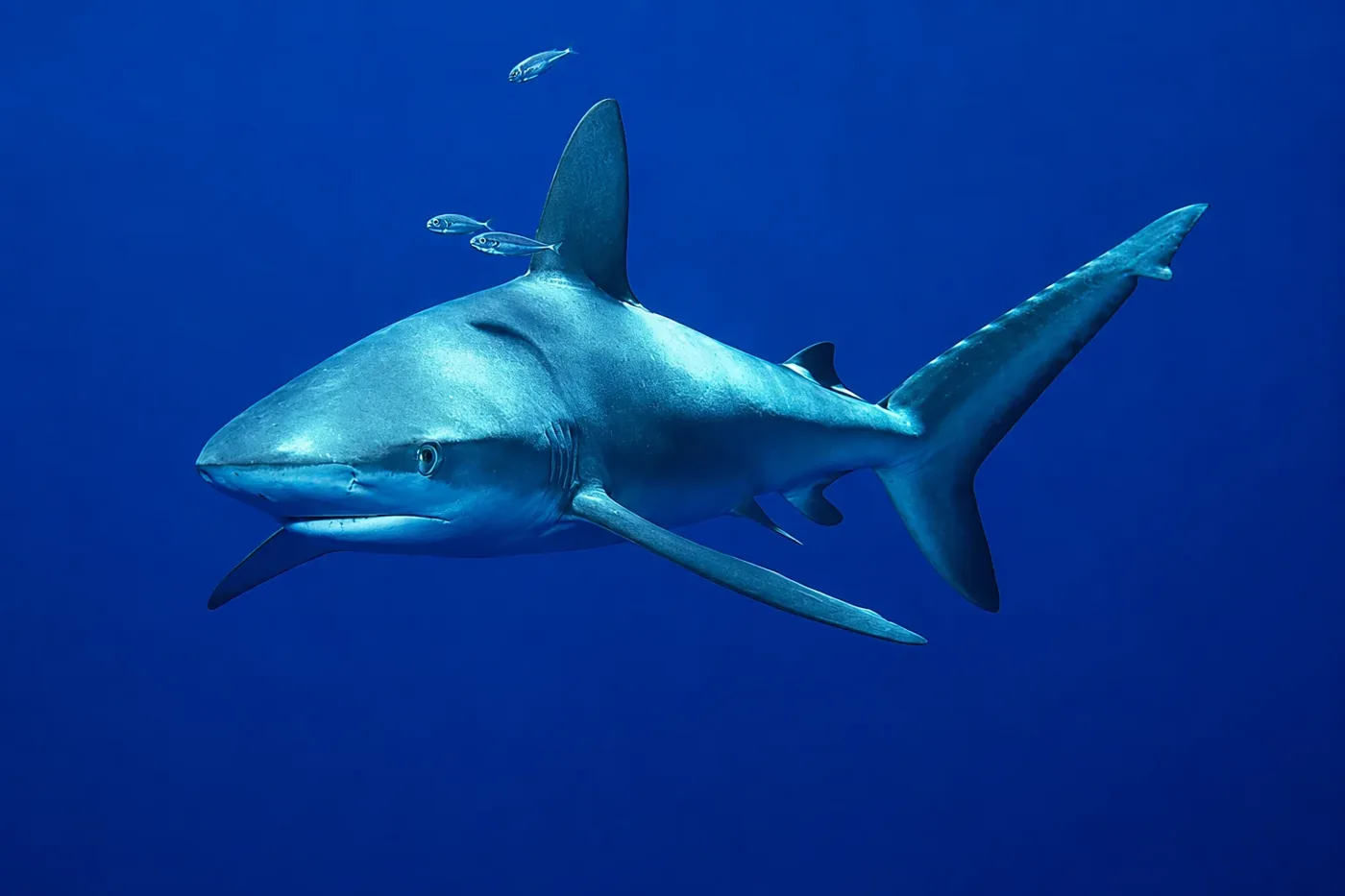
Galápagos Shark

Where to see itGordon Rocks, Darwin & Wolf
Best timeAll year

A powerful open-water shark encountered around remote reefs and premier Galápagos diving sites.

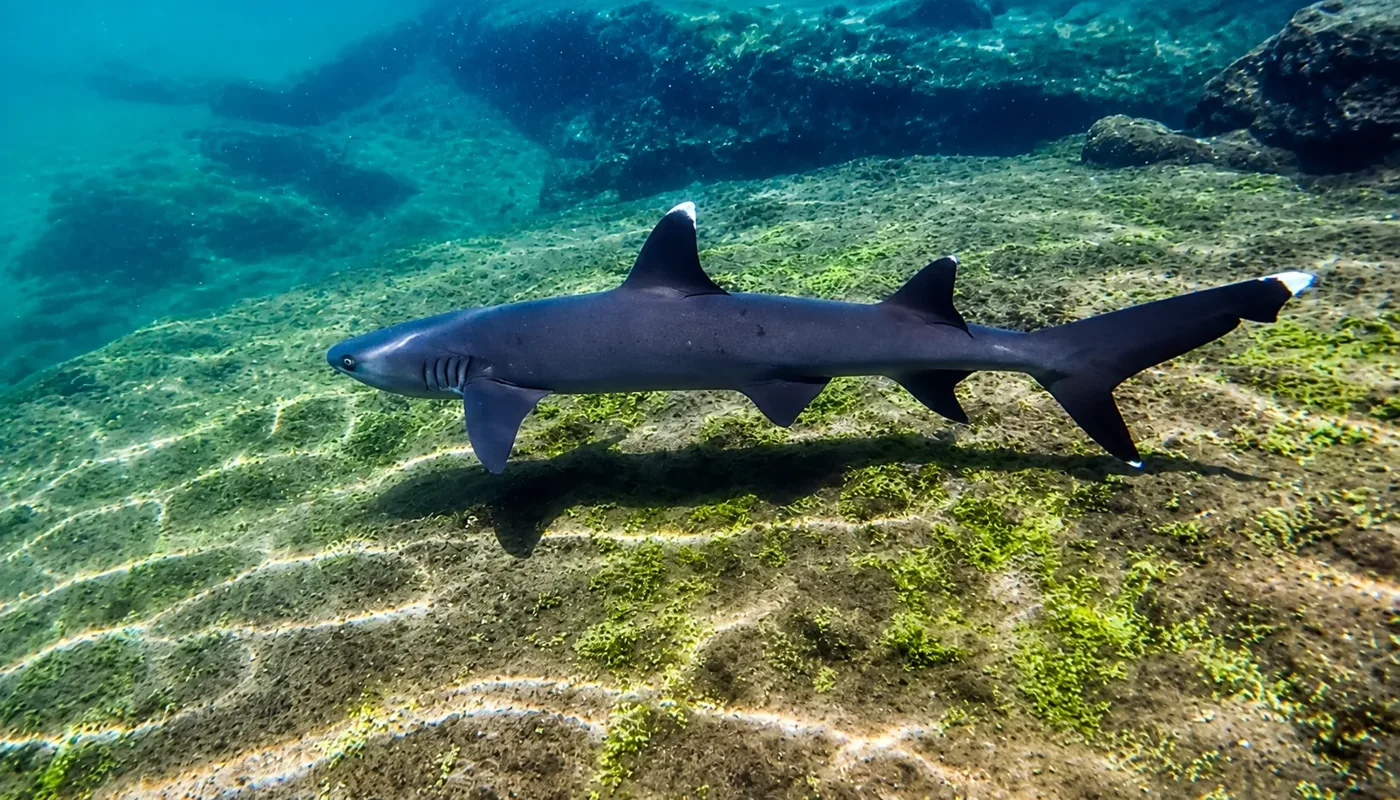
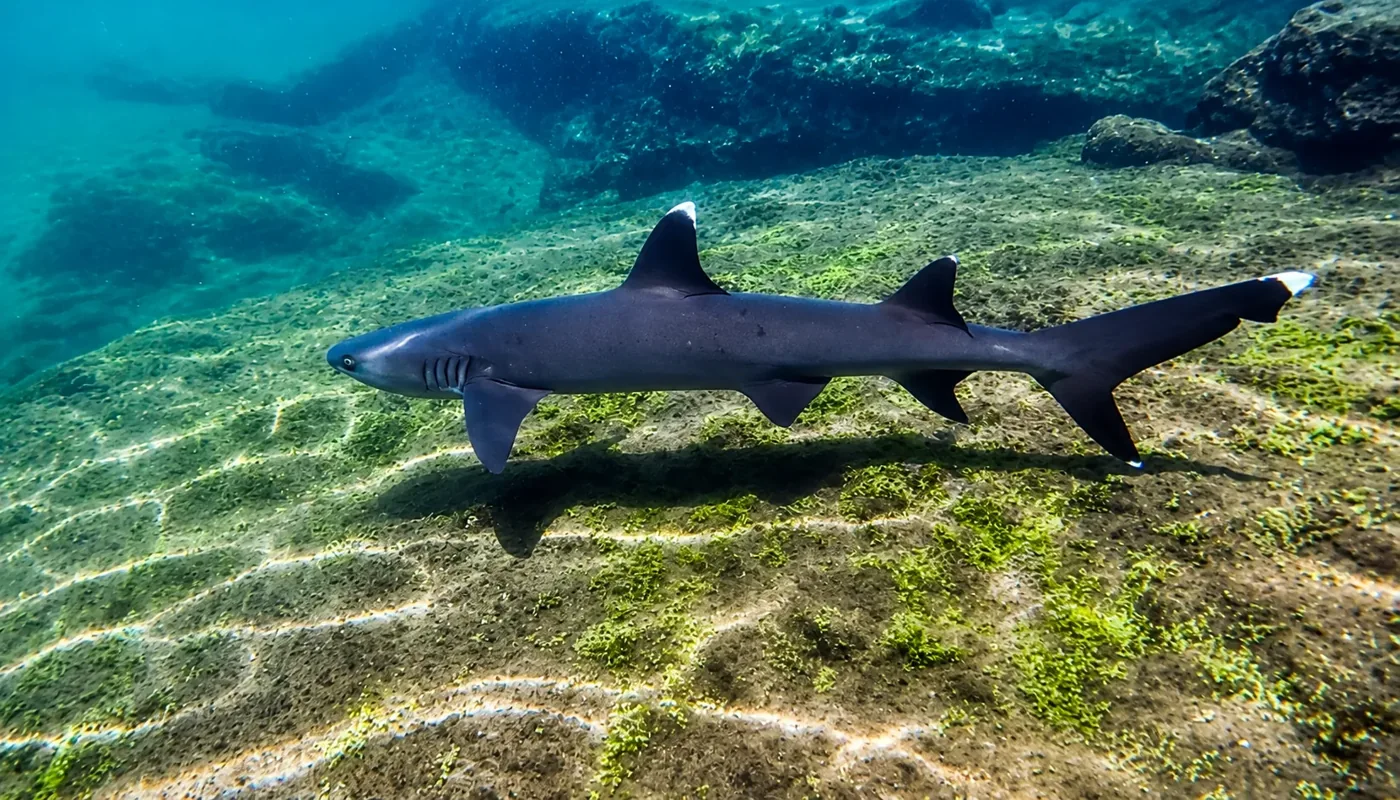
White-tip Reef Shark Easy

White-tip Reef Shark

Where to see itLos Túneles, Kicker Rock, Gordon Rocks
Best timeAll year

One of the most frequently observed sharks in Galápagos during both snorkeling and diving excursions.

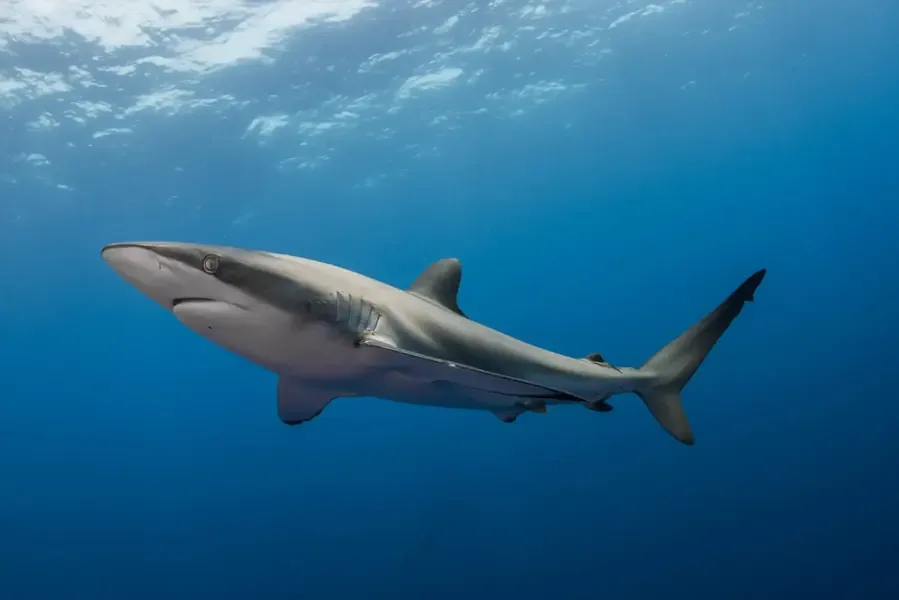
Silky Shark Difficult

Silky Shark

Where to see itDarwin & Wolf
Best timeJune – November

A sleek pelagic shark best encountered during liveaboard diving expeditions to the remote northern islands.

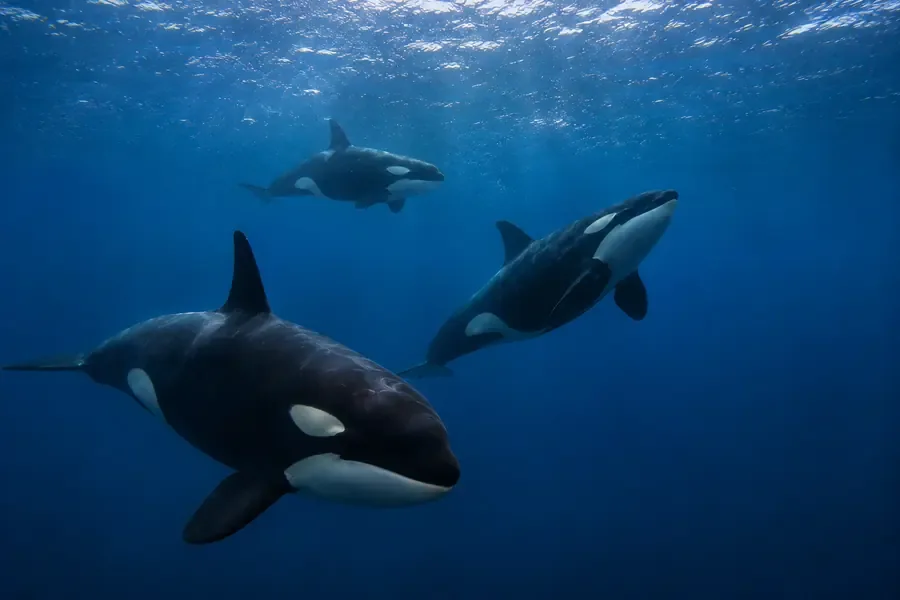
Orca Difficult

Orca

Where to see itIsabela, Fernandina, Darwin & Wolf
Best timeOccasional sightings throughout the year

One of the rarest and most unforgettable wildlife encounters possible in the Galápagos archipelago.

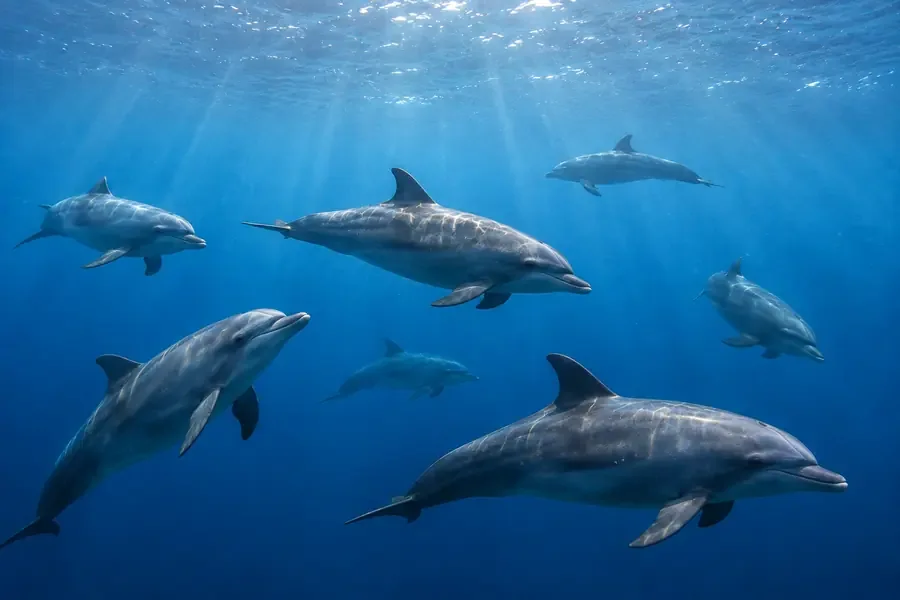
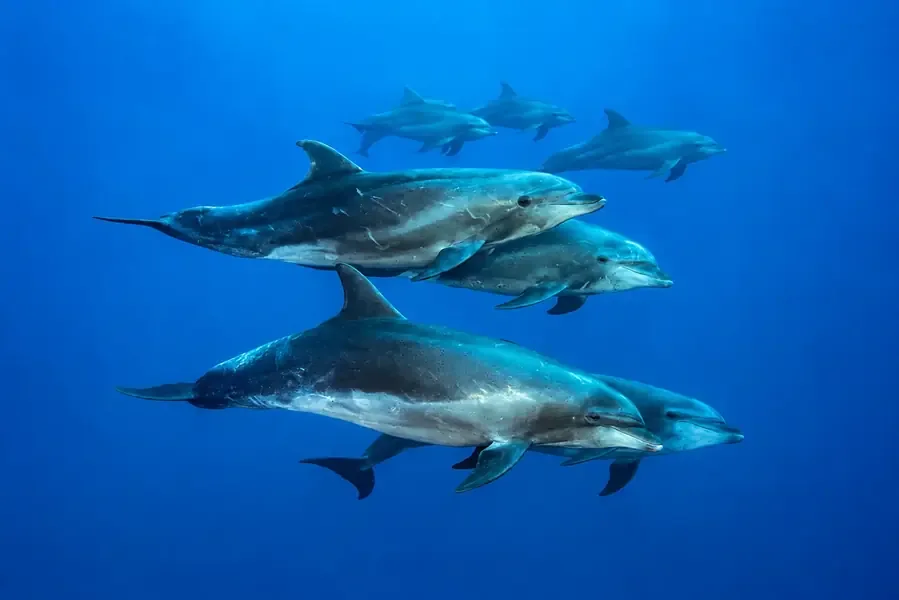
Bottlenose Dolphin Easy

Bottlenose Dolphin

Where to see itSanta Cruz, Isabela, San Cristóbal
Best timeAll year

Frequently seen traveling beside boats and across the open channels between the islands.

Common Dolphin Moderate

Common Dolphin

Where to see itOpen waters around the Galápagos Islands
Best timeAll year

Fast-moving and highly social dolphins occasionally encountered in large groups while navigating between islands.

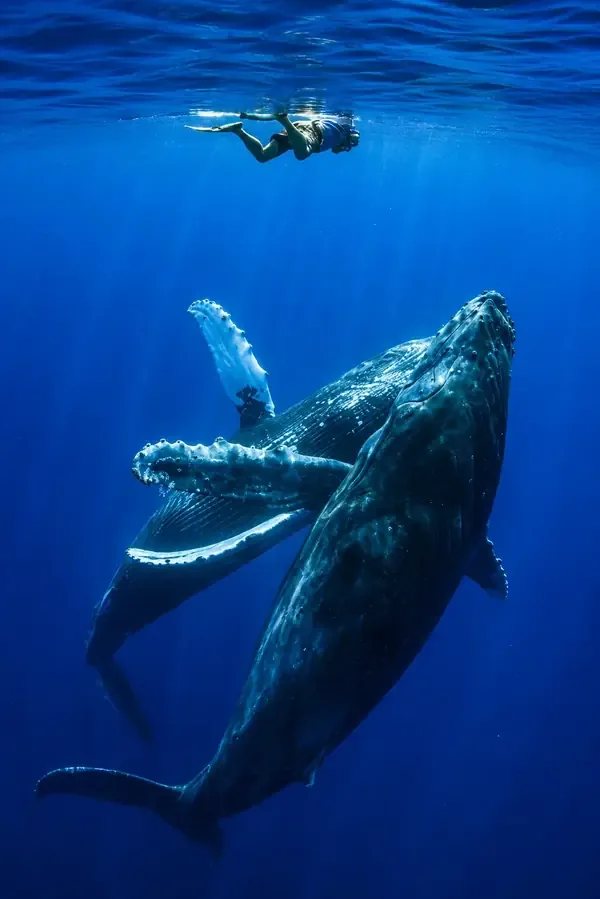
Humpback Whale Difficult

Humpback Whale

Where to see itWestern Galápagos and open waters
Best timeJune – September

Seasonal visitors occasionally seen breaching and traveling through the nutrient-rich waters of the archipelago.

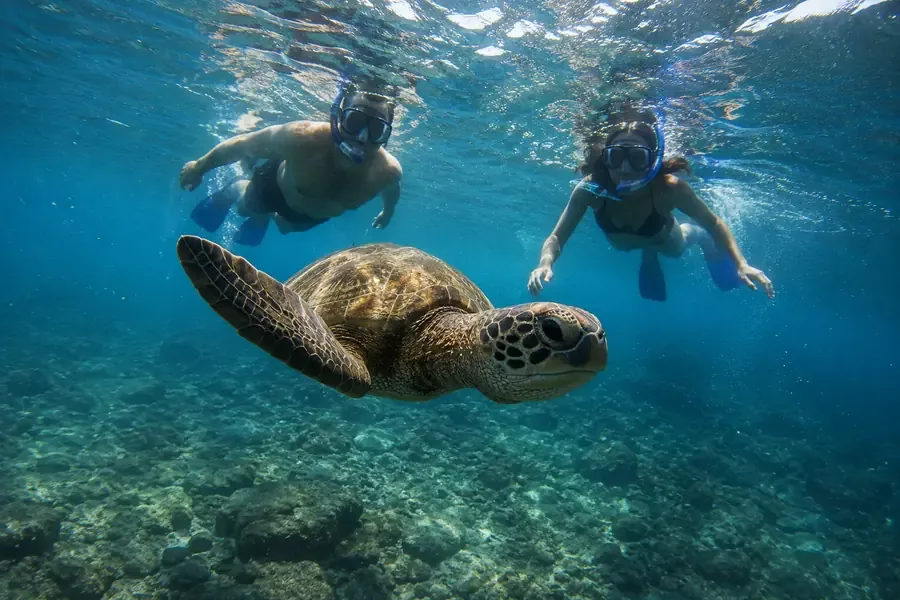
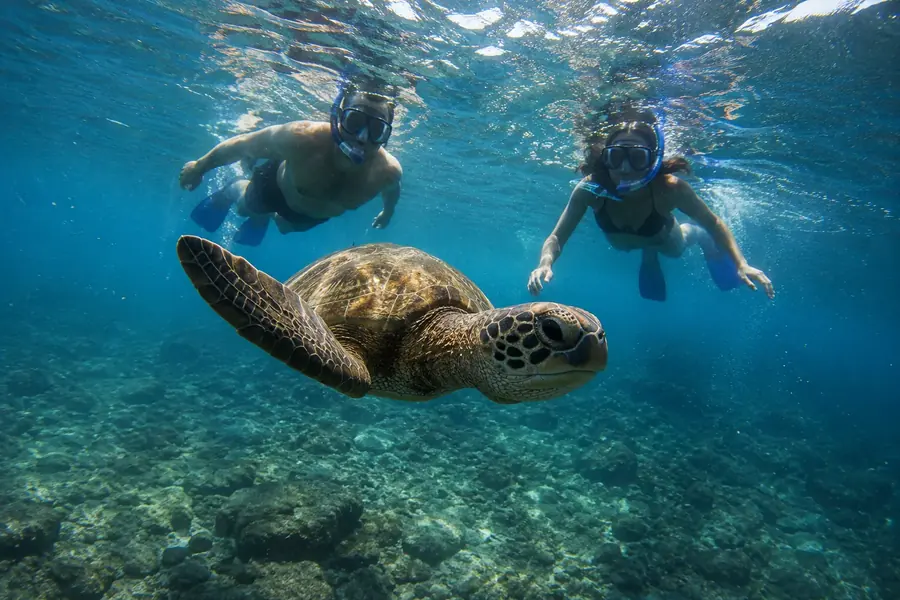
Green Sea Turtle Very Easy

Green Sea Turtle

Where to see itLos Túneles, Kicker Rock, Santa Fe, Pinzón, Bartolomé
Best timeAll year

One of the easiest marine animals to encounter while snorkeling and diving throughout Galápagos.

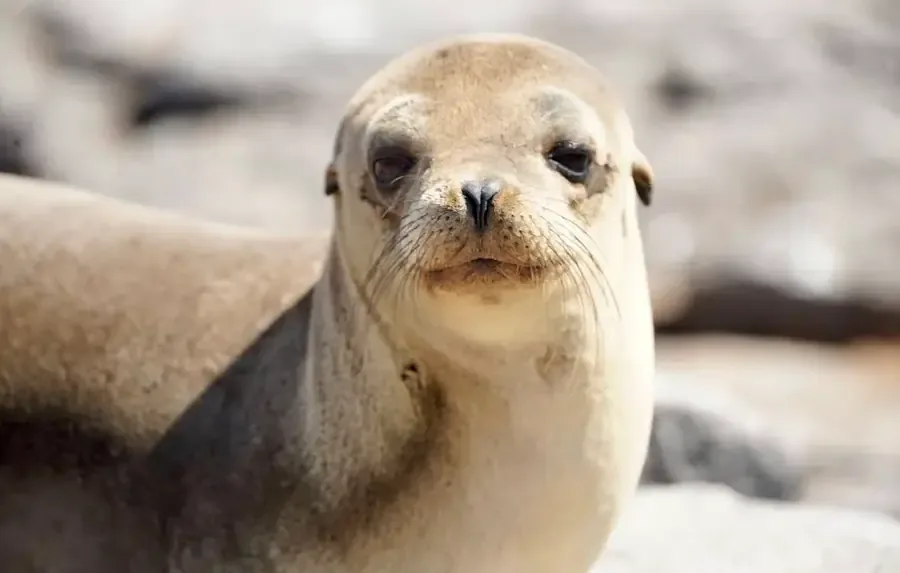
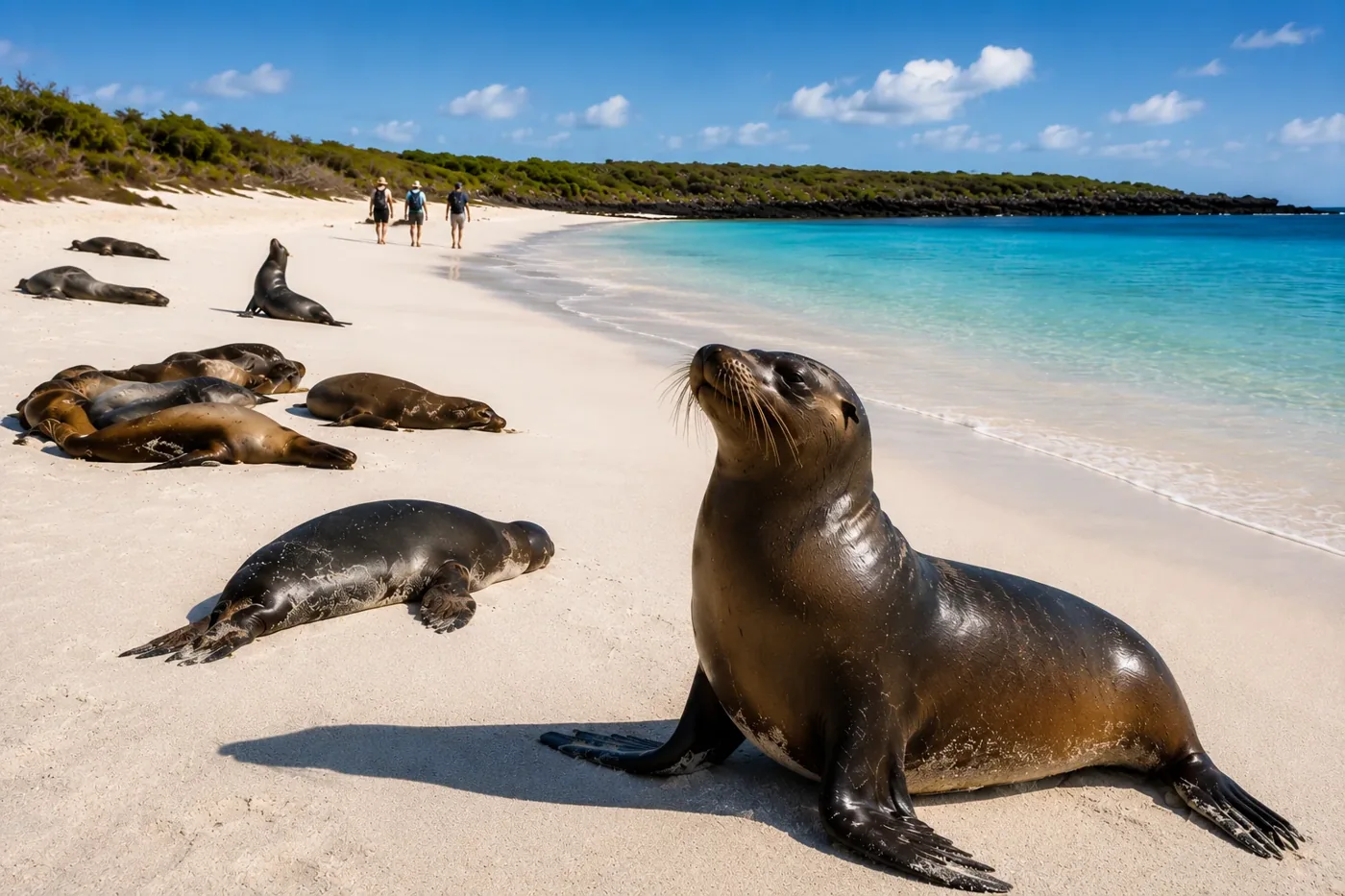
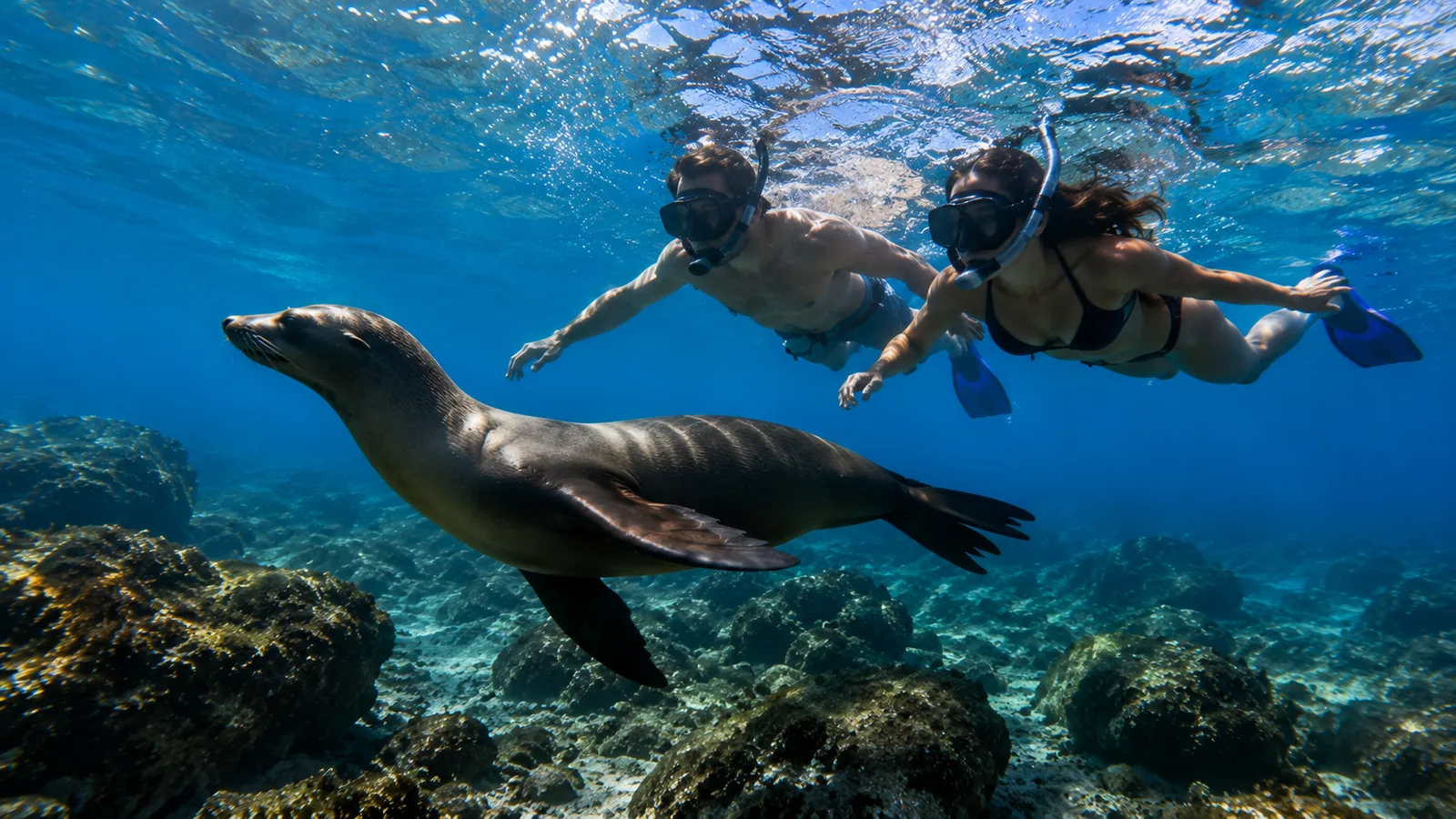
Sea Lion Very Easy

Sea Lion

Where to see itThroughout the Galápagos Islands
Best timeAll year

Curious, playful and one of the most iconic animals visitors encounter both on land and underwater.

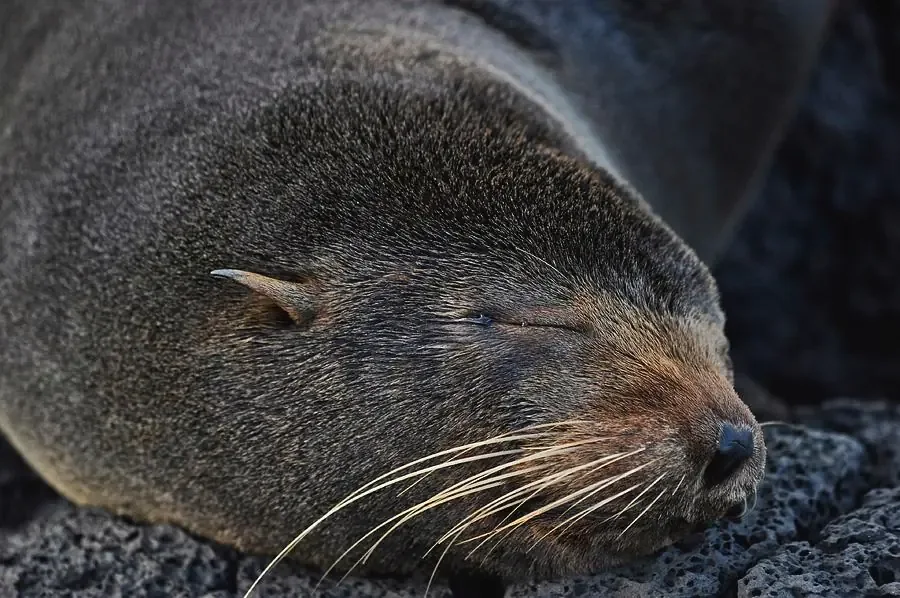
Galapagos Fur Seal Moderate

Galápagos Fur Seal

Endemic
Where to see itGenovesa, Fernandina, Santiago
Best timeAll year

Smaller and more elusive than the sea lion, often resting along rocky coastlines and shaded lava formations.

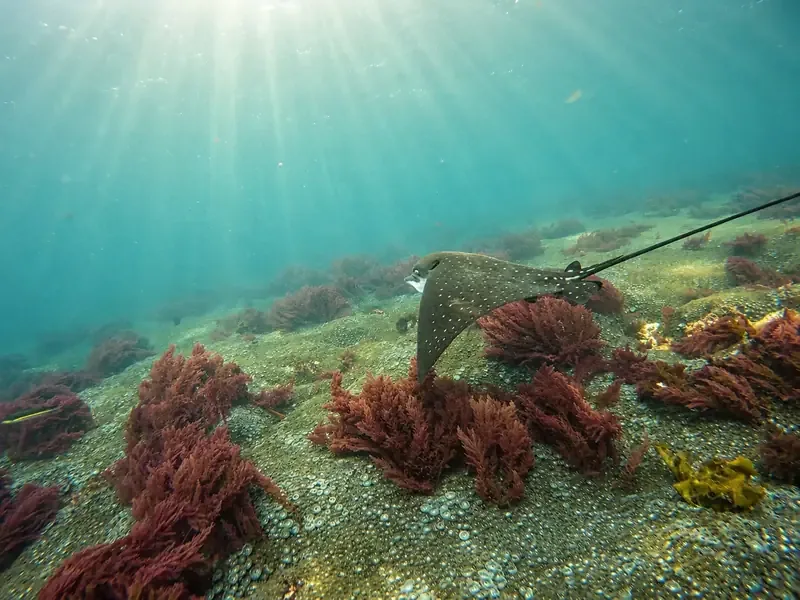
Eagle Ray Easy

Eagle Ray

Where to see itKicker Rock, Gordon Rocks, Los Túneles
Best timeAll year

Elegant rays often seen gliding effortlessly above reefs and sandy bottoms.

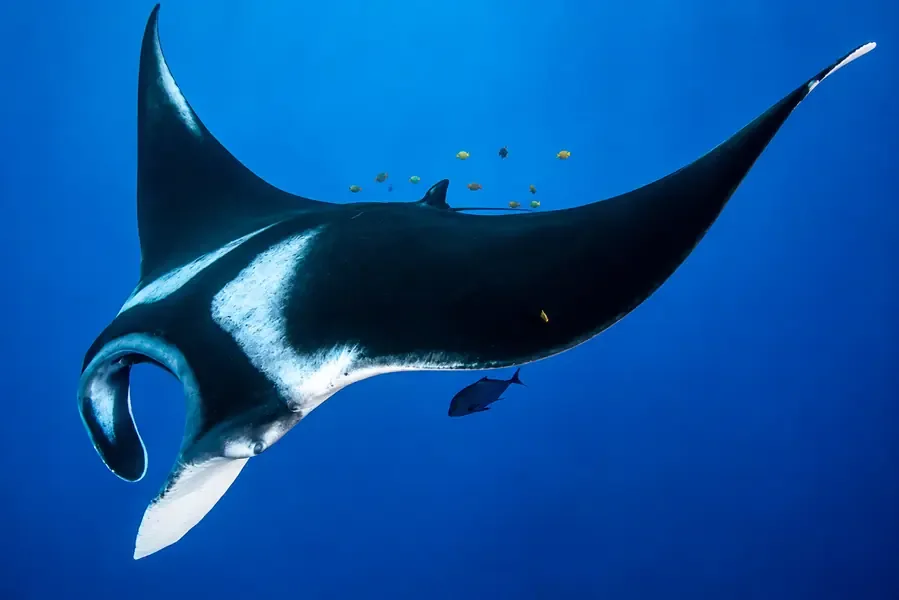
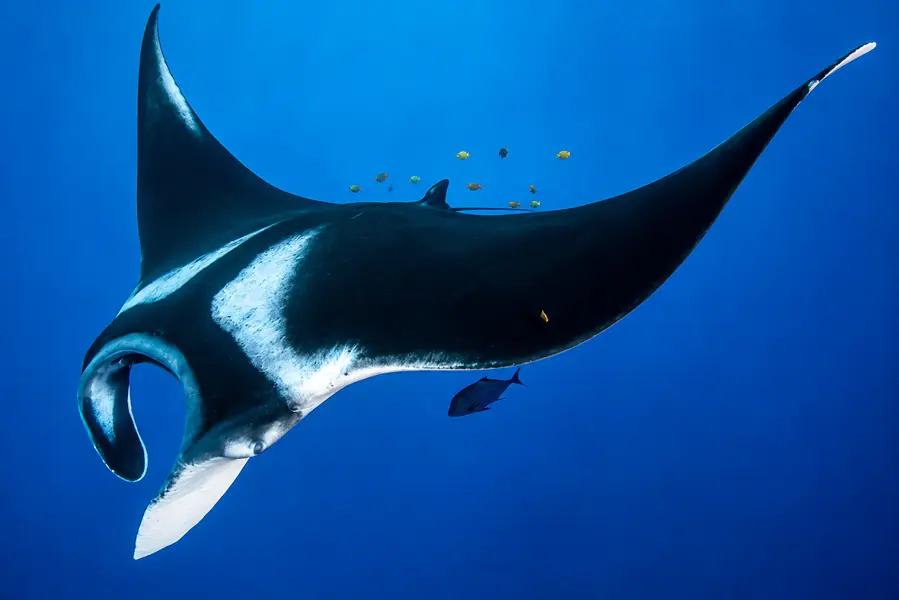
Manta Ray Moderate

Manta Ray

Where to see itIsabela, Darwin & Wolf
Best timeSeasonal encounters

Giant oceanic mantas are among the most impressive pelagic animals encountered in Galápagos waters.

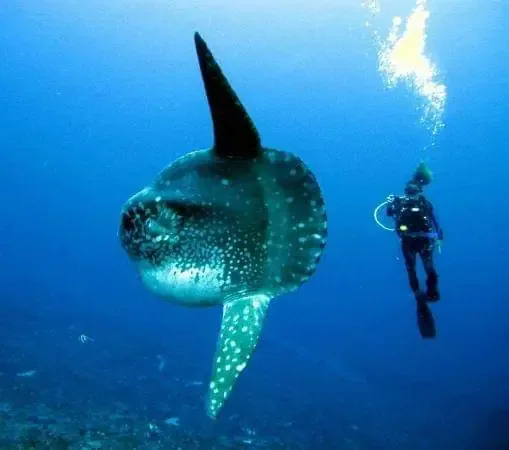
Mola Mola Very Difficult

Mola Mola

Where to see itGordon Rocks
Best timeJuly – November

The enormous ocean sunfish is one of the most sought-after rare encounters for Galápagos divers.

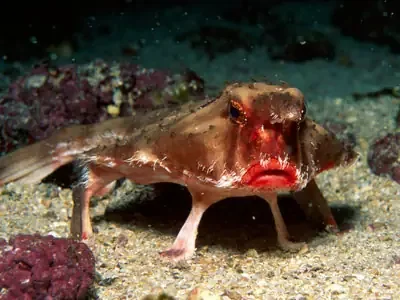
Red-lipped Batfish Moderate

Red-lipped Batfish

Endemic
Where to see itCerro Brujo
Best timeAll year

One of the strangest Galápagos fish, famous for its vivid red lips and unusual habit of moving along the seafloor.

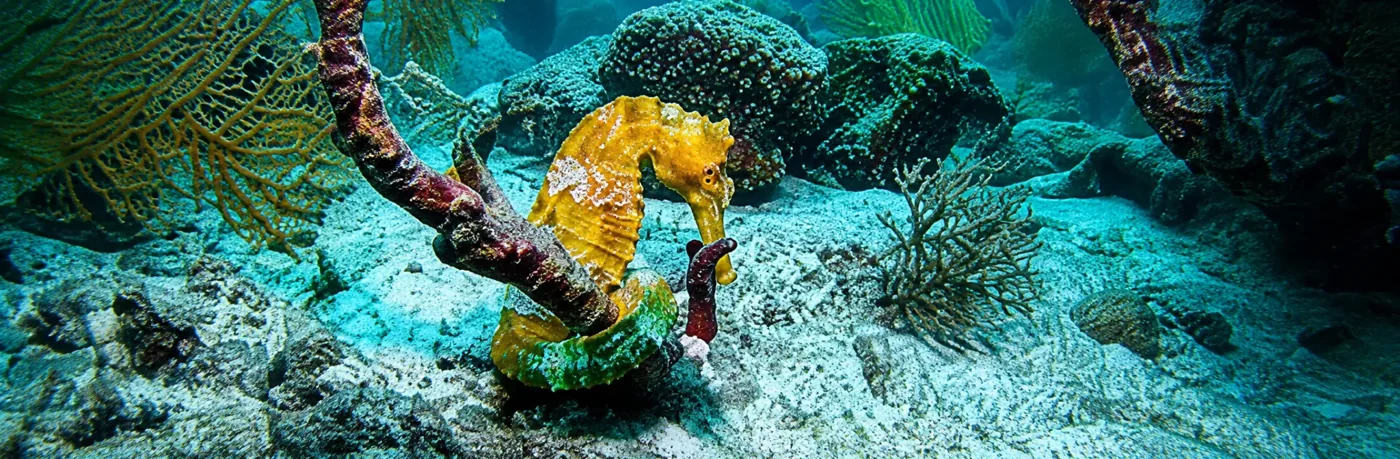
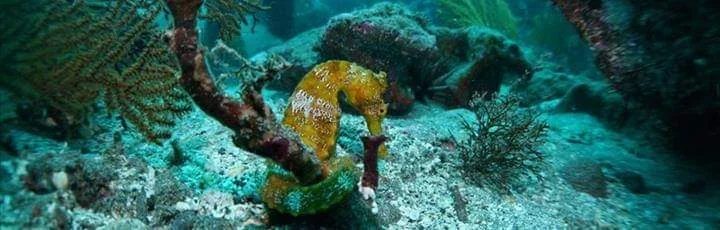
Seahorse Moderate

Seahorse

Where to see itLos Túneles, Isabela Island
Best timeAll year

Hidden among submerged vegetation and lava formations, seahorses are one of Los Túneles' signature wildlife encounters.

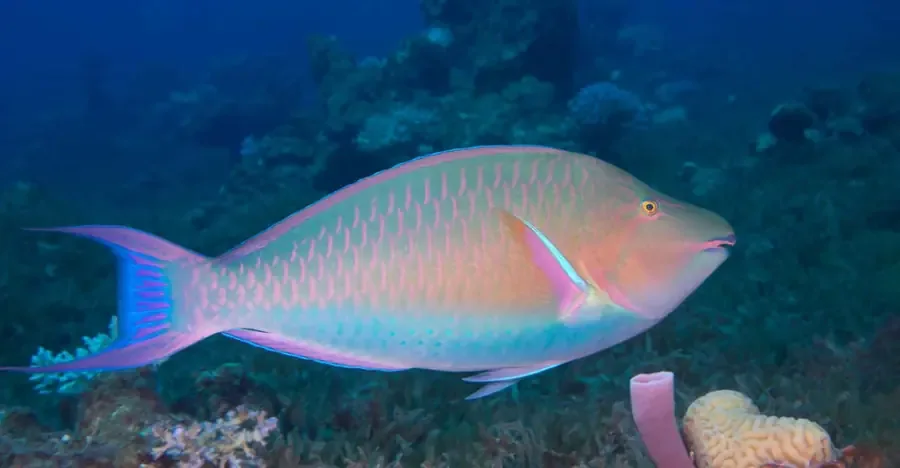
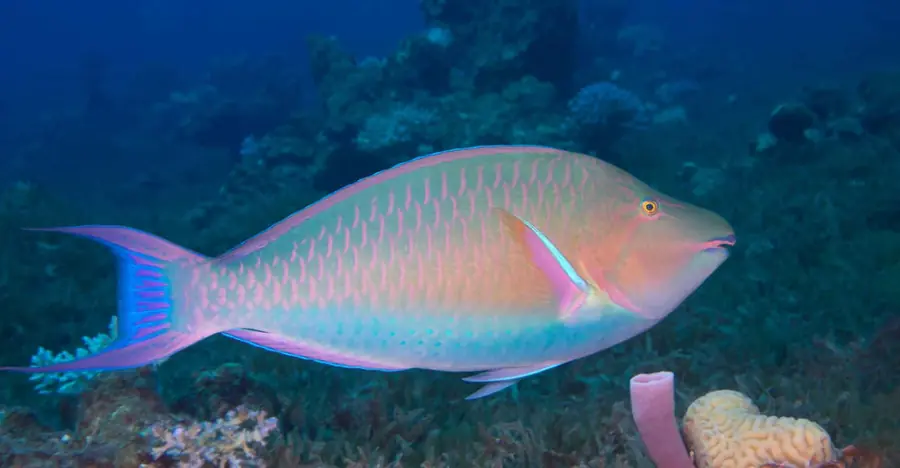
Parrotfish Very Easy

Parrotfish

Where to see itMany snorkeling and diving sites
Best timeAll year

Colorful reef fish frequently encountered while snorkeling around rocky reefs throughout Galápagos.

ANCIENT ISLAND SURVIVORS

Reptiles

From marine iguanas that forage beneath the Pacific to giant tortoises roaming volcanic highlands, Galápagos reptiles reveal some of the archipelago's most extraordinary examples of adaptation and evolution.
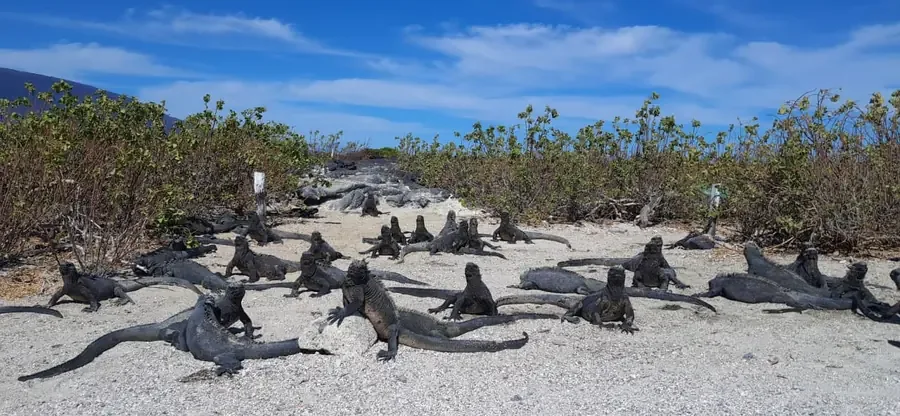
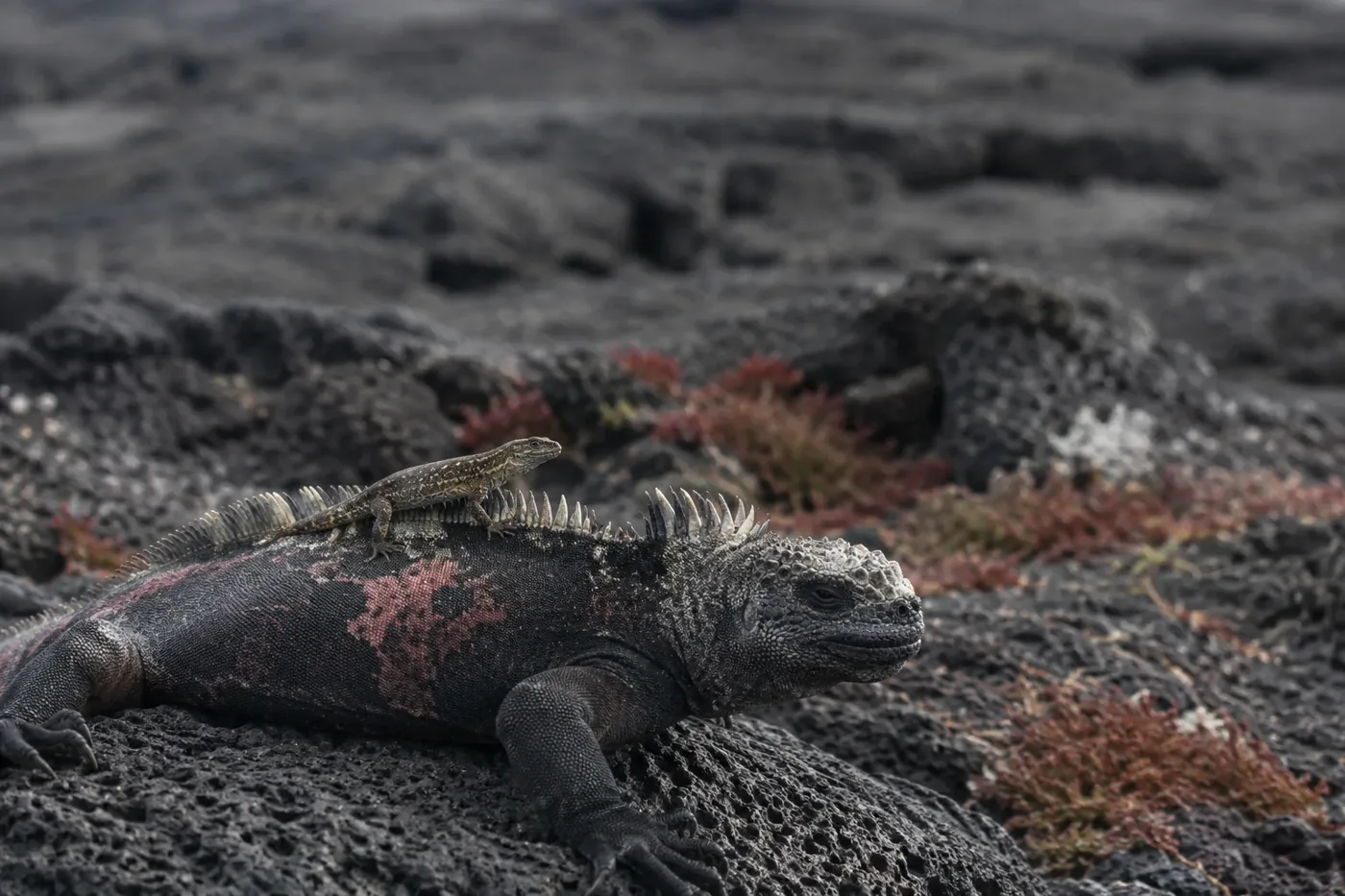
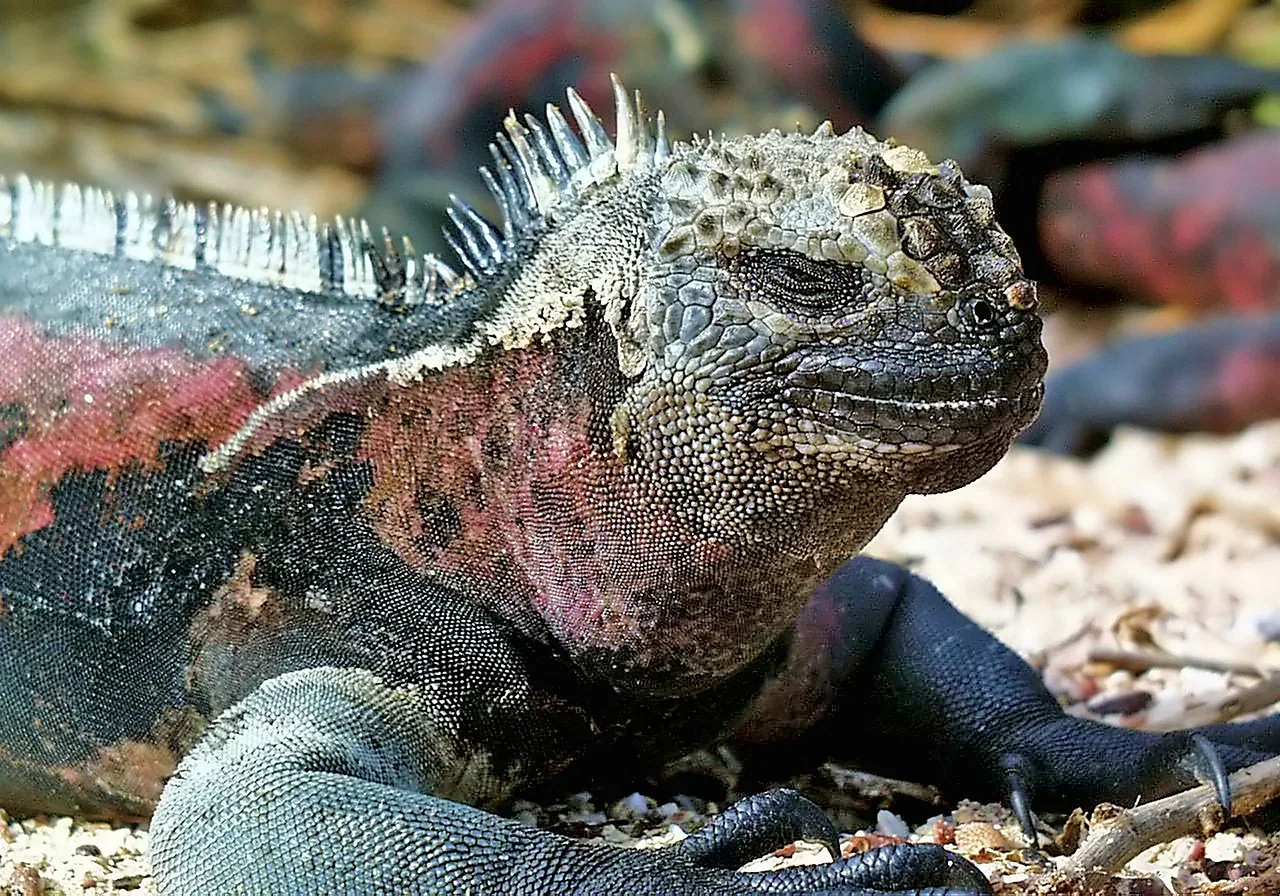
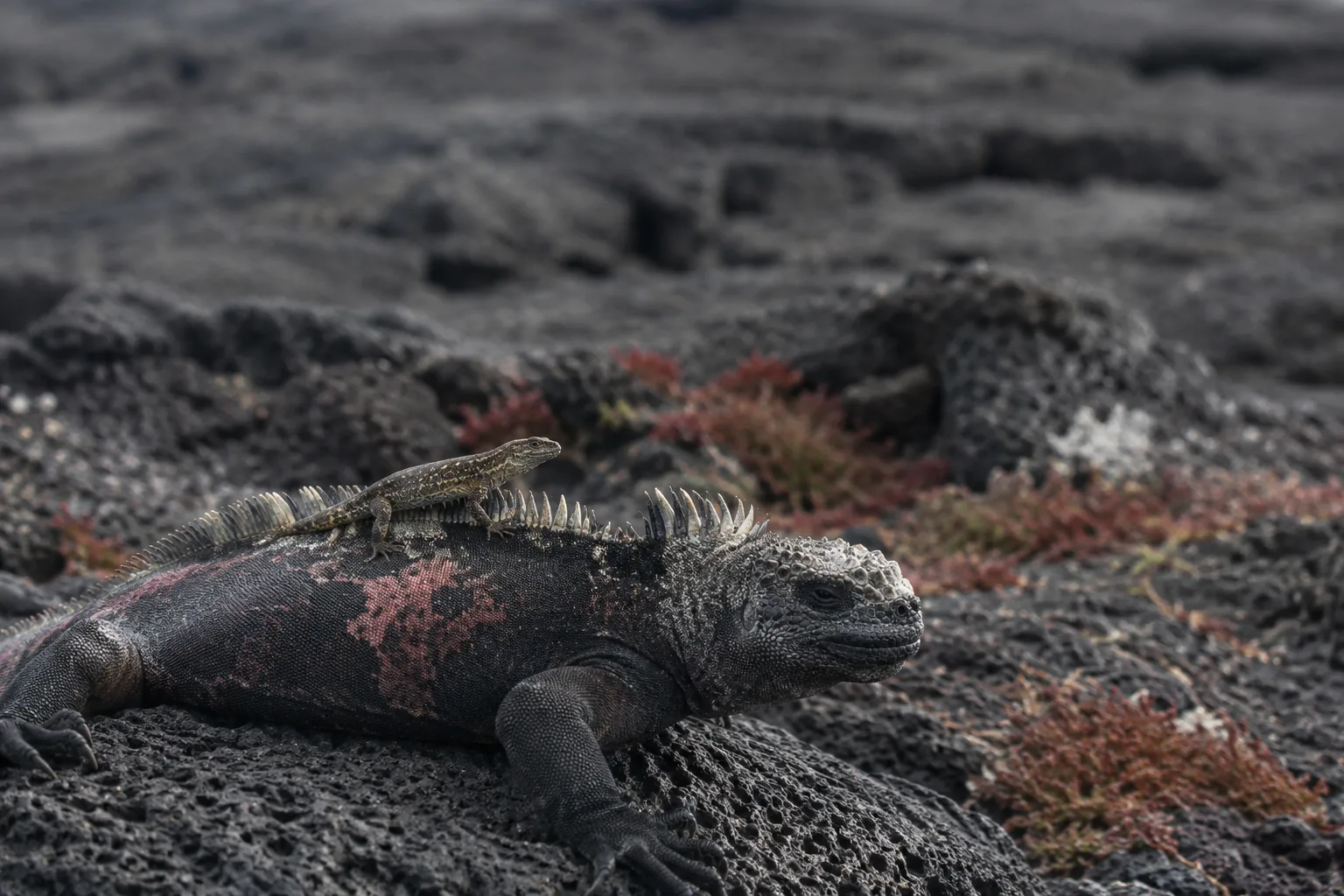
Marine Iguana in Galapagos Very Easy

Marine Iguana

Endemic
Where to see it Isabela, Fernandina, Española, Santa Cruz and coastal visitor sites
Best time All year

The world's only marine iguana. These remarkable reptiles warm themselves on black volcanic rocks before feeding along the coast and underwater.

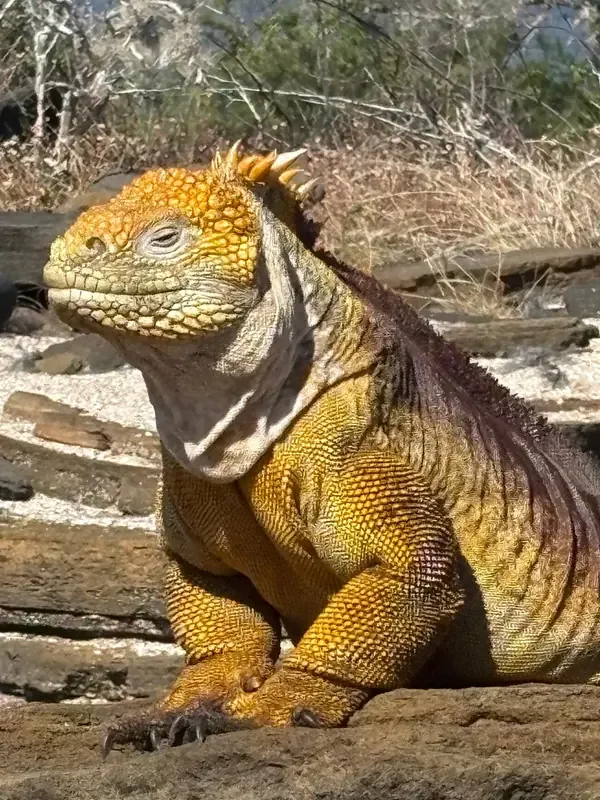
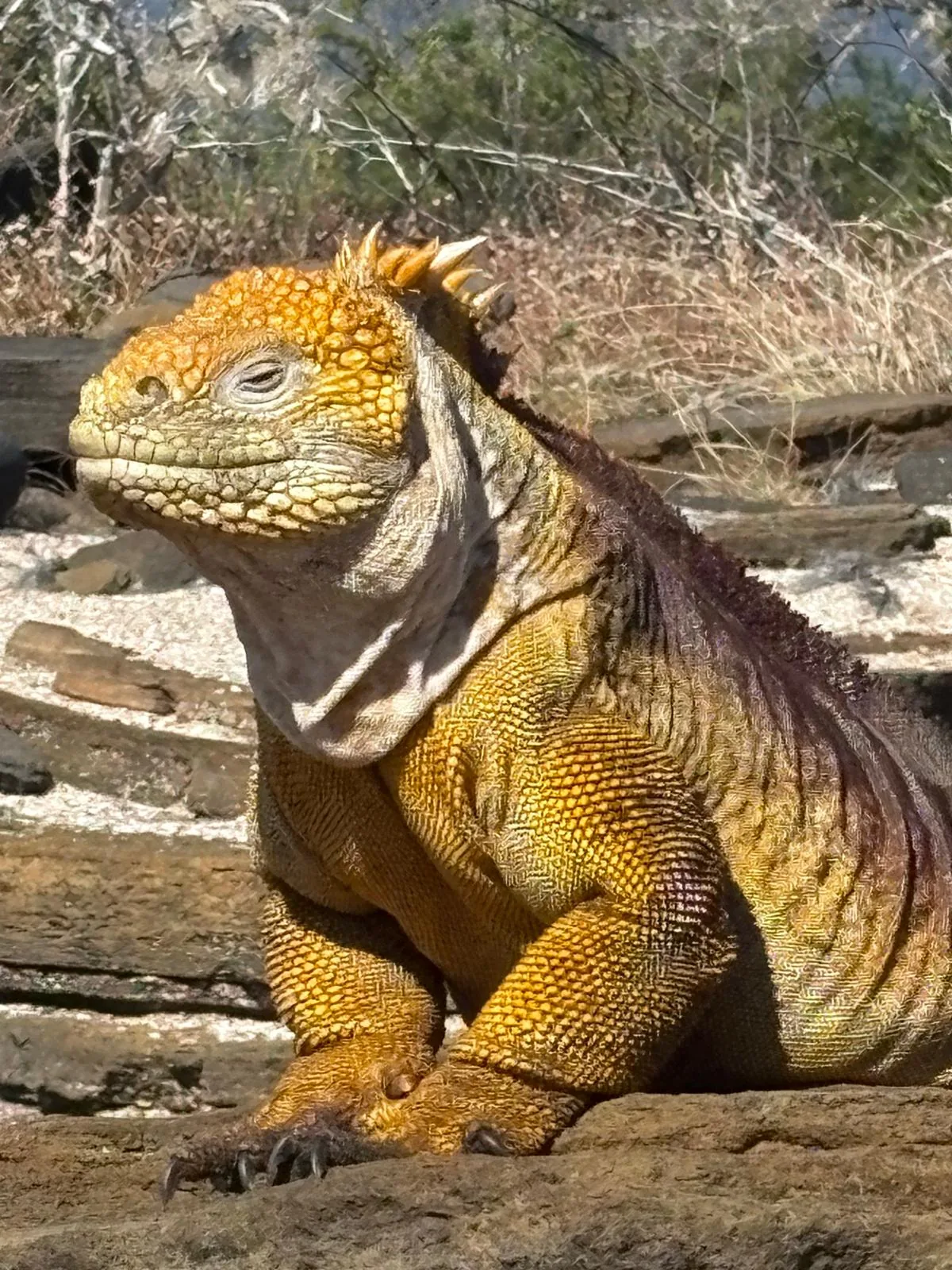
Galapagos Land Iguana Very Easy

Galápagos Land Iguana

Endemic
Where to see it North Seymour, Cerro Dragón, South Plaza, Baltra and Santa Fe
Best time All year

Large yellow-golden iguanas of the Galápagos dry zone, often observed near trails, cactus forests and open volcanic landscapes.

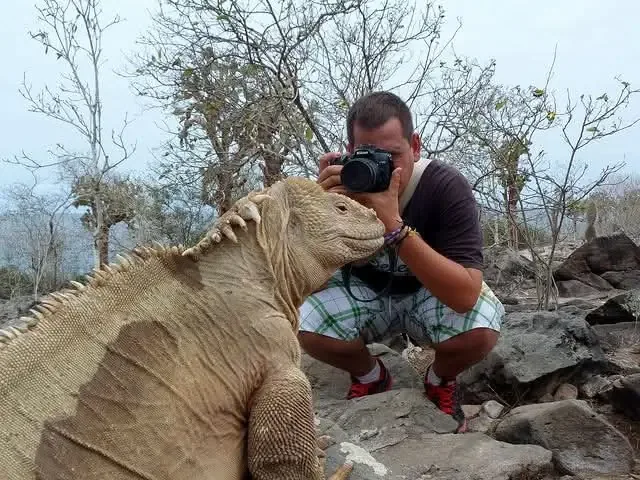
Santa Fe Land Iguana Moderate

Santa Fe Land Iguana

Endemic
Where to see it Santa Fe Island only
Best time All year

An endemic land iguana found only on Santa Fe Island. Its pale coloration and isolated range make it one of the archipelago's most distinctive reptiles.

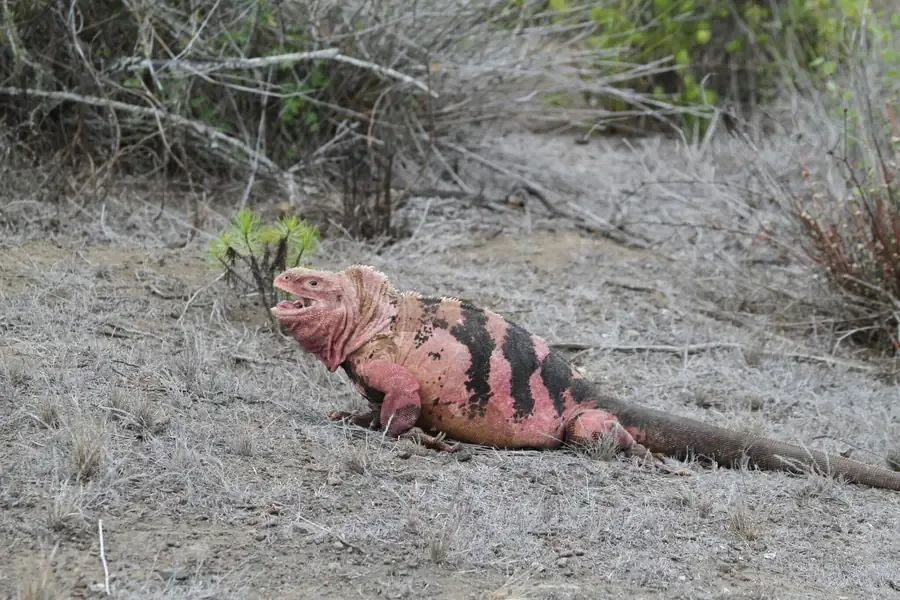
Pink Land Iguana Galapagos Very Difficult

Pink Land Iguana

Endemic
Where to see it Wolf Volcano, Isabela Island
Best time All year

One of the rarest reptiles in Galápagos, the pink land iguana survives in a highly restricted habitat around Wolf Volcano in northern Isabela.

Wolf Volcano is not part of regular visitor routes, making sightings by travelers exceptionally unlikely.
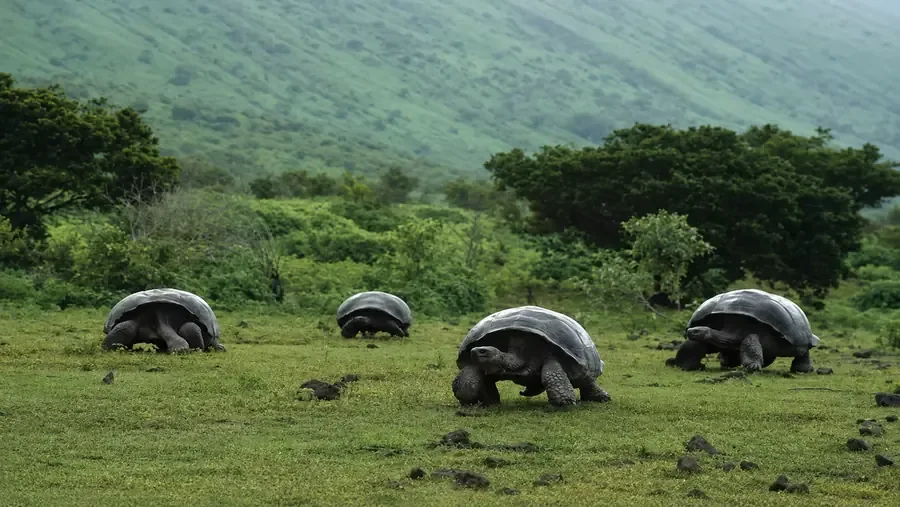
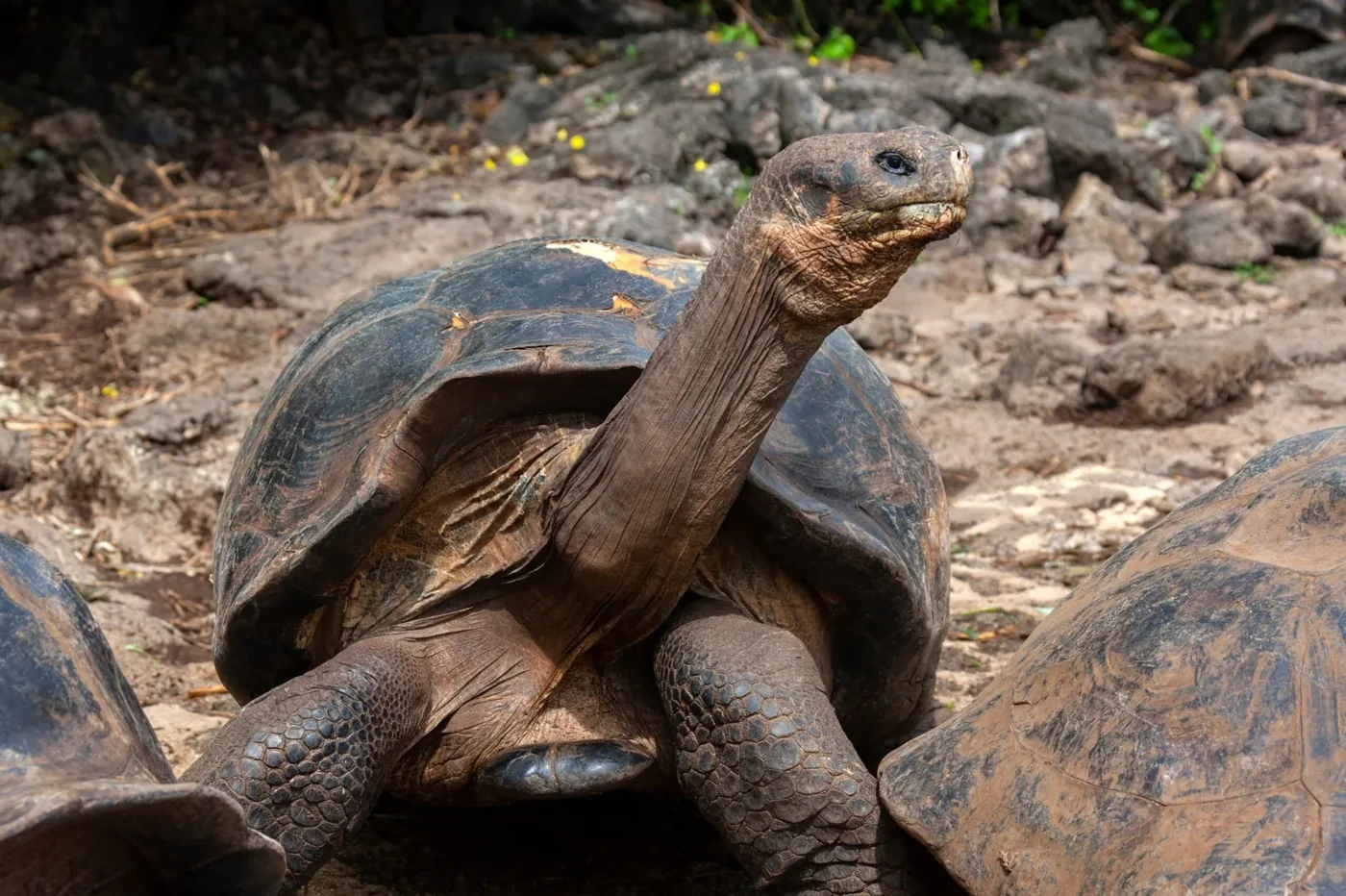
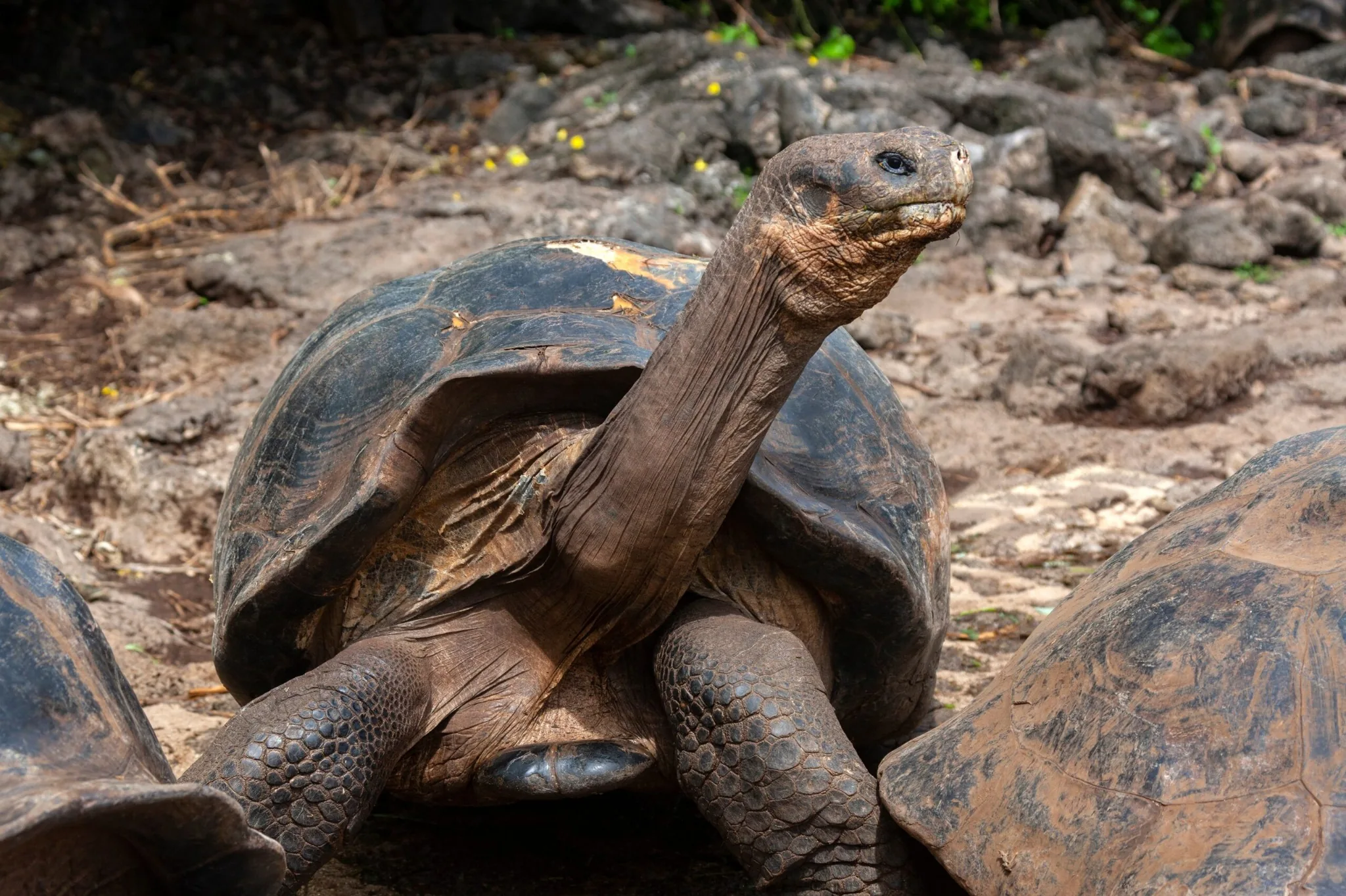
Galapagos Giant Tortoise Very Easy

Galápagos Giant Tortoise

Endemic
Where to see it Santa Cruz Highlands, Isabela and San Cristóbal
Best time All year

One of the signature wildlife encounters of Galápagos, with excellent opportunities to observe giant tortoises roaming naturally through island highlands.

Galapagos Lava Lizard Very Easy

Galápagos Lava Lizard

Endemic
Where to see it Most islands and coastal visitor sites
Best time All year

Small, active and frequently encountered, lava lizards can often be seen basking on volcanic rocks, beside trails and among dry coastal vegetation.
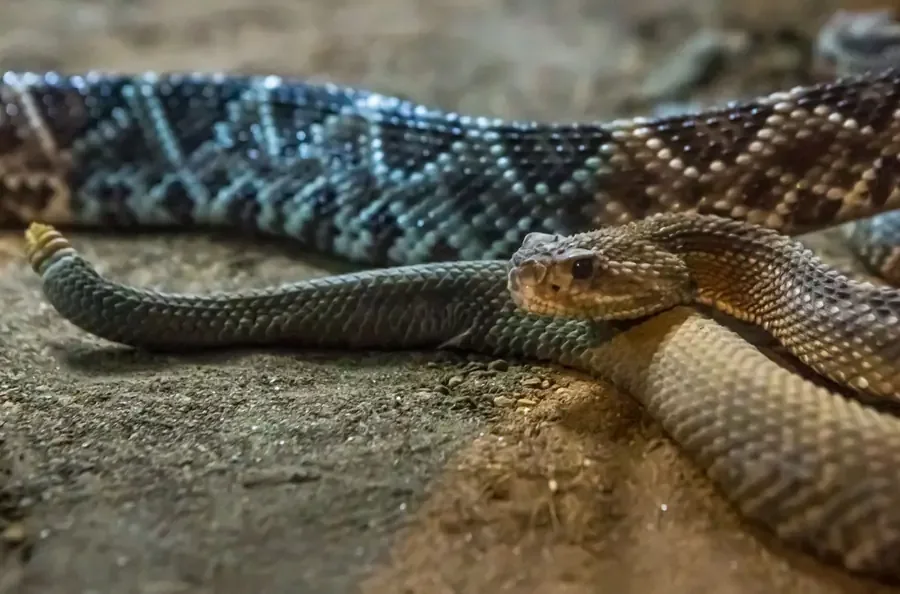
Galapagos Racer Snake Difficult

Galápagos Racer Snake

Endemic
Where to see it Selected islands including Isabela, Fernandina and Santa Cruz
Best time All year

Fast-moving and elusive, Galápagos racer snakes are much less predictable to encounter than iguanas, giant tortoises or lava lizards.

LIFE IN THE SKIES

Birds

From blue-footed boobies and prehistoric-looking cormorants to flamingos, penguins and the magnificent waved albatross, Galápagos offers some of the world's most distinctive birdwatching encounters.
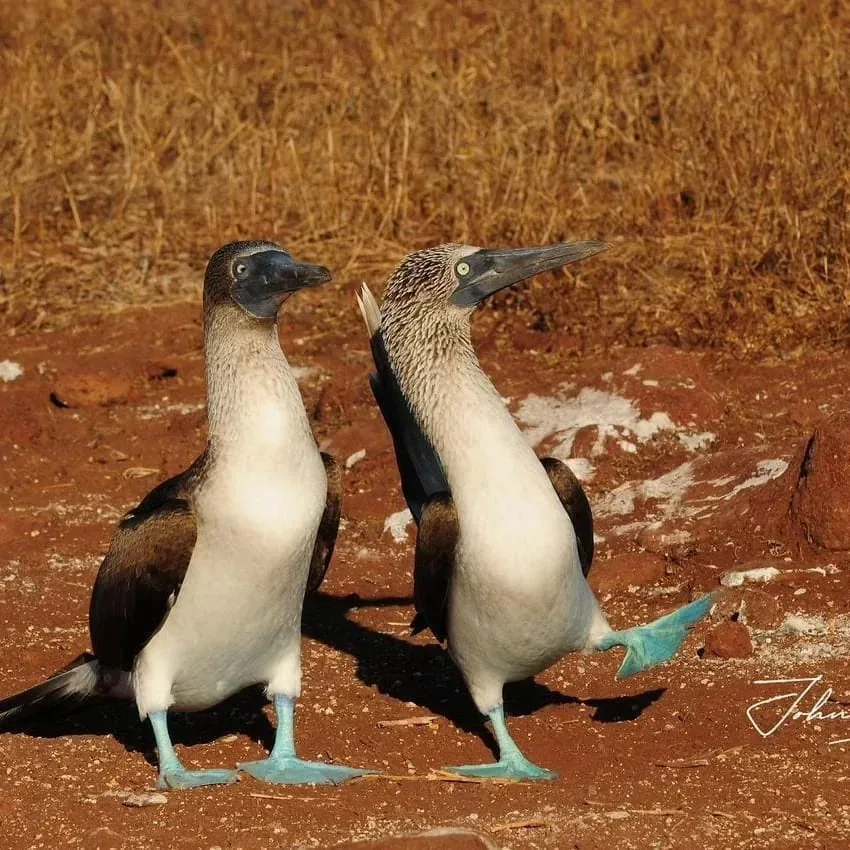
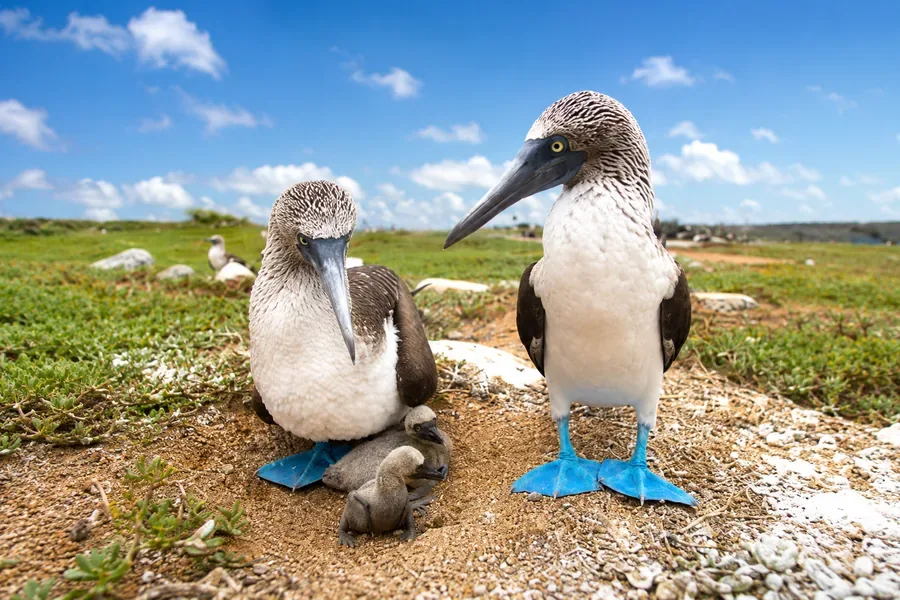
Blue-footed Booby in Galapagos Very Easy

Blue-footed Booby

Where to see it North Seymour, Española, Isabela, Santa Fe and many coastal sites
Best time All year

Famous for its brilliant blue feet and elaborate courtship dance, this is one of the most recognizable birds of Galápagos.

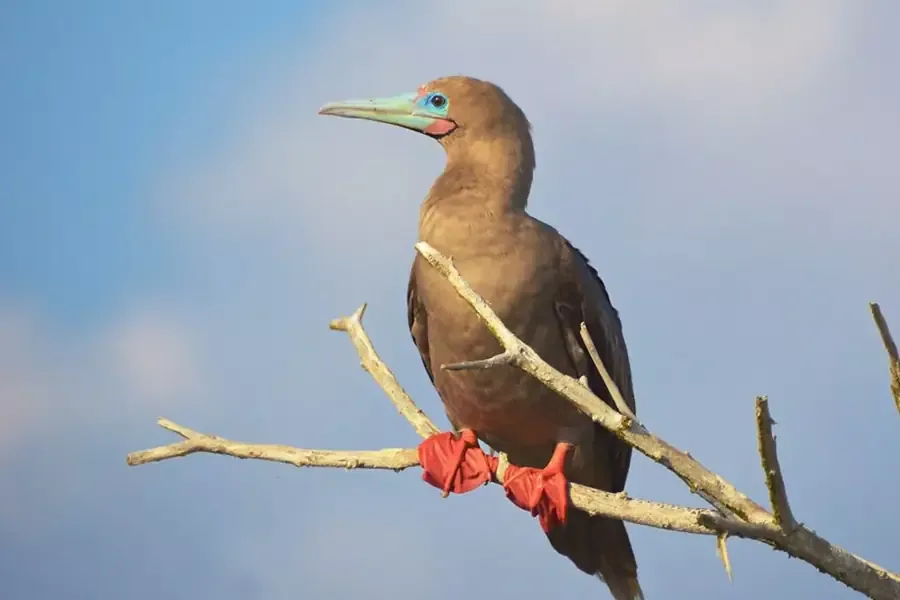
Red-footed Booby in Galapagos Moderate

Red-footed Booby

Where to see it Genovesa Island by cruise · Punta Pitt, San Cristóbal
Best time All year

The smallest Galápagos booby and the only one that regularly nests in trees. Genovesa and Punta Pitt are its signature visitor locations.

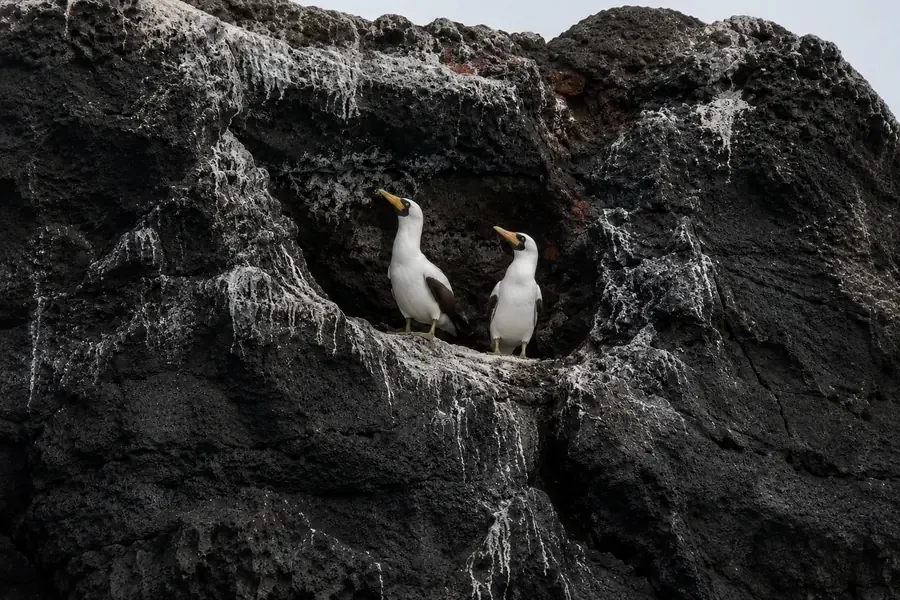
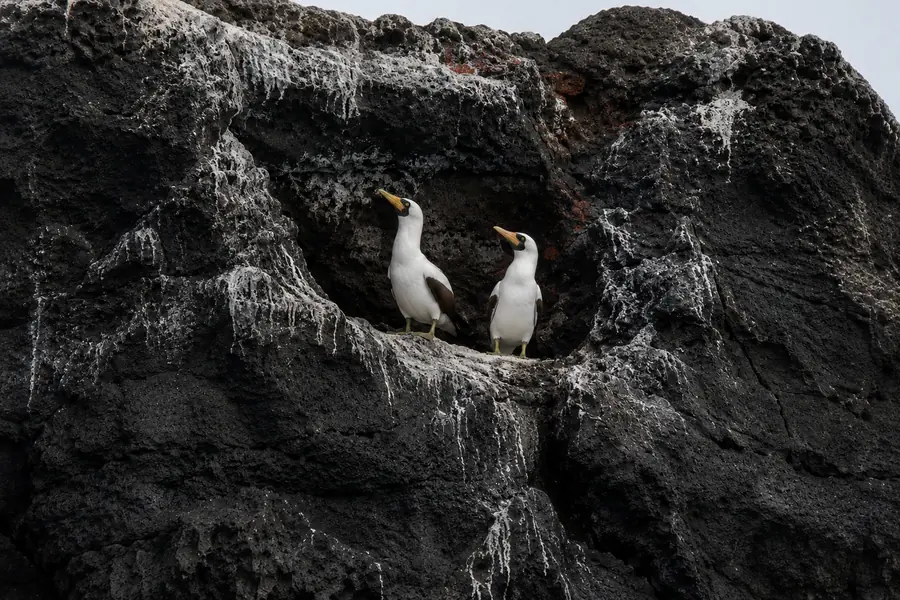
Nazca Booby in Galapagos Easy

Nazca Booby

Where to see it Española, Genovesa and selected rocky islands
Best time All year

The largest of the three Galápagos boobies, easily recognized by its white plumage, black wings and orange-colored bill.

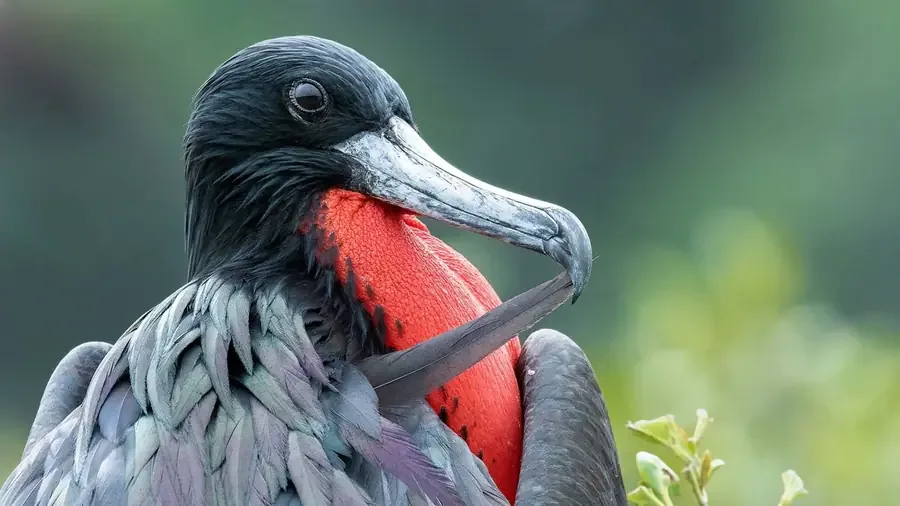
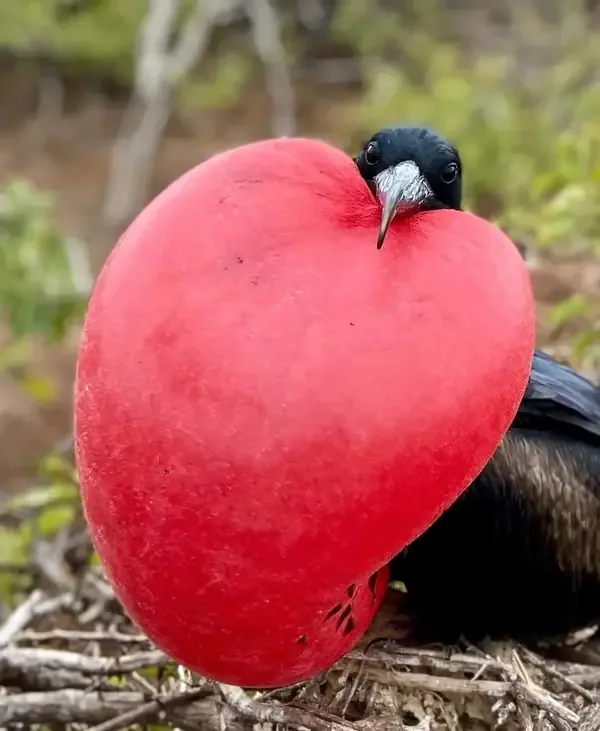
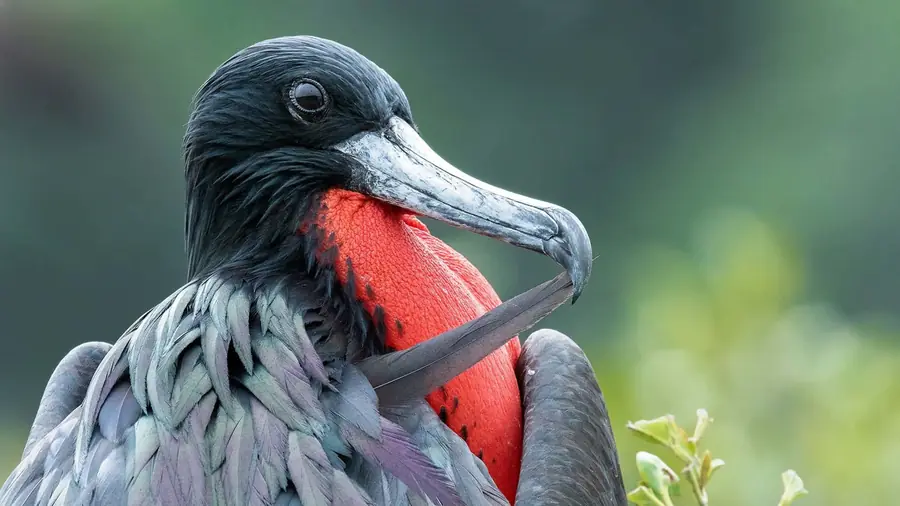
Magnificent Frigatebird in Galapagos Easy

Magnificent Frigatebird

Where to see it North Seymour, San Cristóbal and coastal areas
Best time All year

Males display a spectacular red throat pouch during courtship. Their dark plumage can show a distinctive purplish sheen.

Great Frigatebird in Galapagos Easy

Great Frigatebird

Where to see it Genovesa, North Seymour and offshore waters
Best time All year

Similar to the Magnificent Frigatebird, but adult males typically show a greenish sheen on the dark feathers.

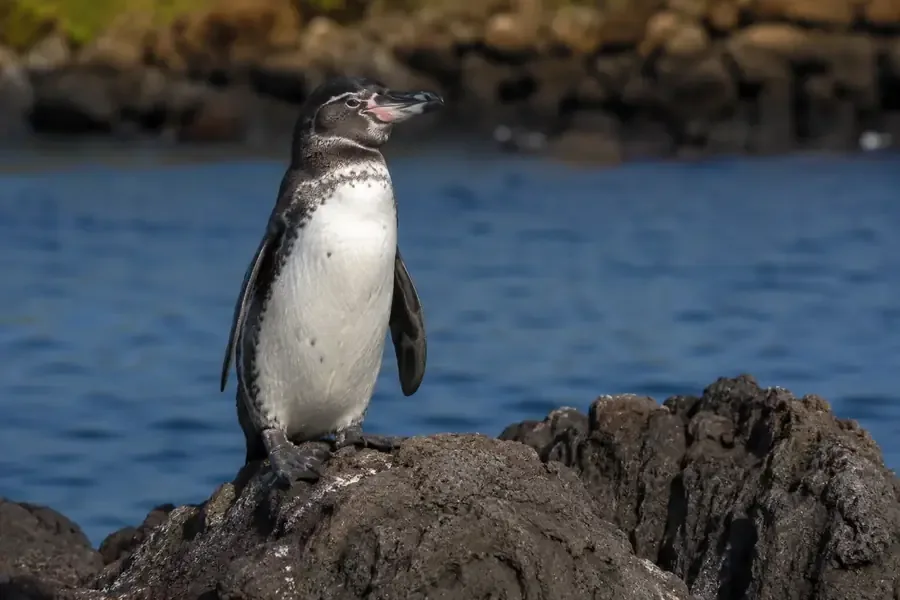
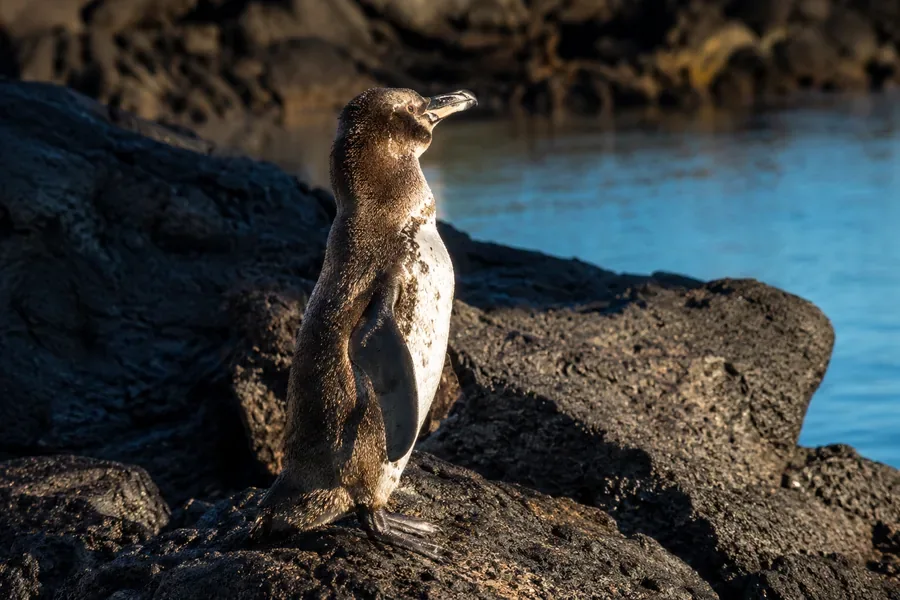
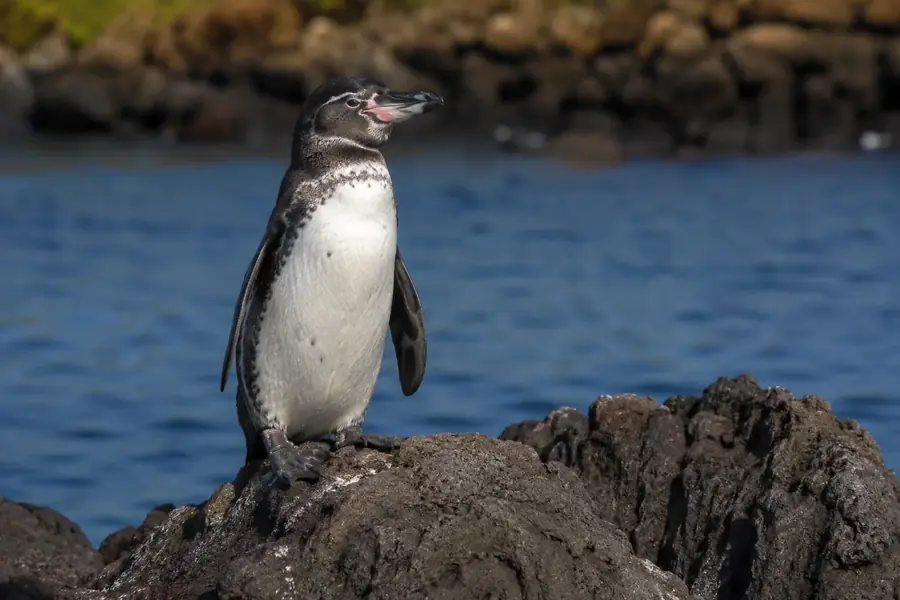
Galapagos Penguin Moderate

Galápagos Penguin

Endemic
Where to see it Isabela, Fernandina and Bartolomé
Best time All year

One of the world's rarest penguins and the only penguin naturally found this far north near the Equator.

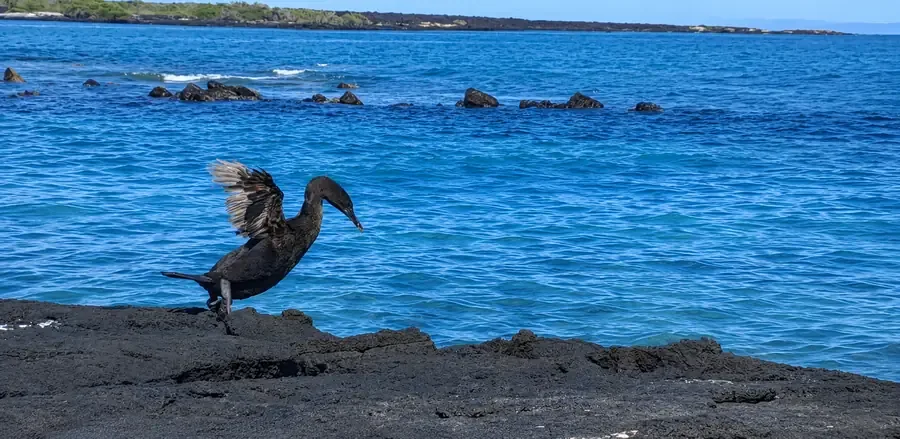
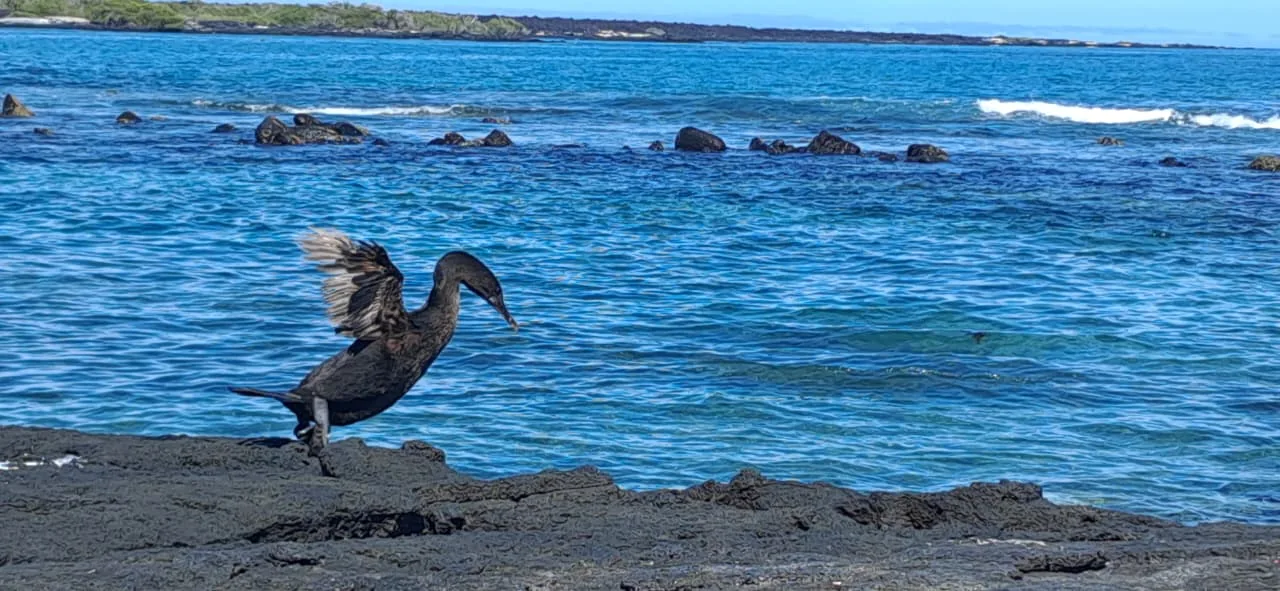
Flightless Cormorant in Galapagos Moderate

Flightless Cormorant

Endemic
Where to see it Fernandina and western Isabela
Best time All year

Found nowhere else on Earth, this extraordinary cormorant lost the ability to fly and became a powerful underwater hunter.

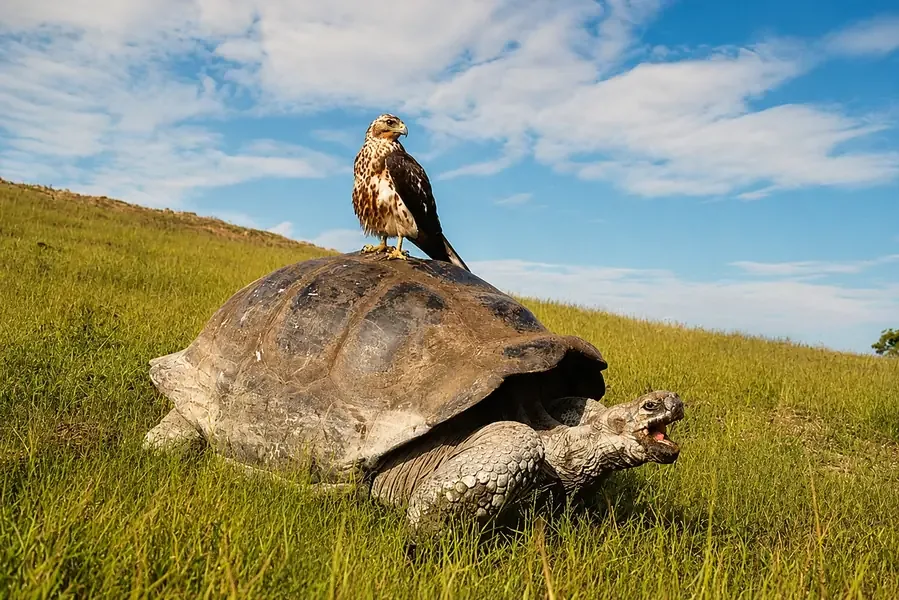
Galapagos Hawk Moderate

Galápagos Hawk

Endemic
Where to see it Española, Isabela, Fernandina, Santiago and selected islands
Best time All year

The archipelago's top native land predator, often seen soaring above lava fields or watching visitor trails from exposed perches.

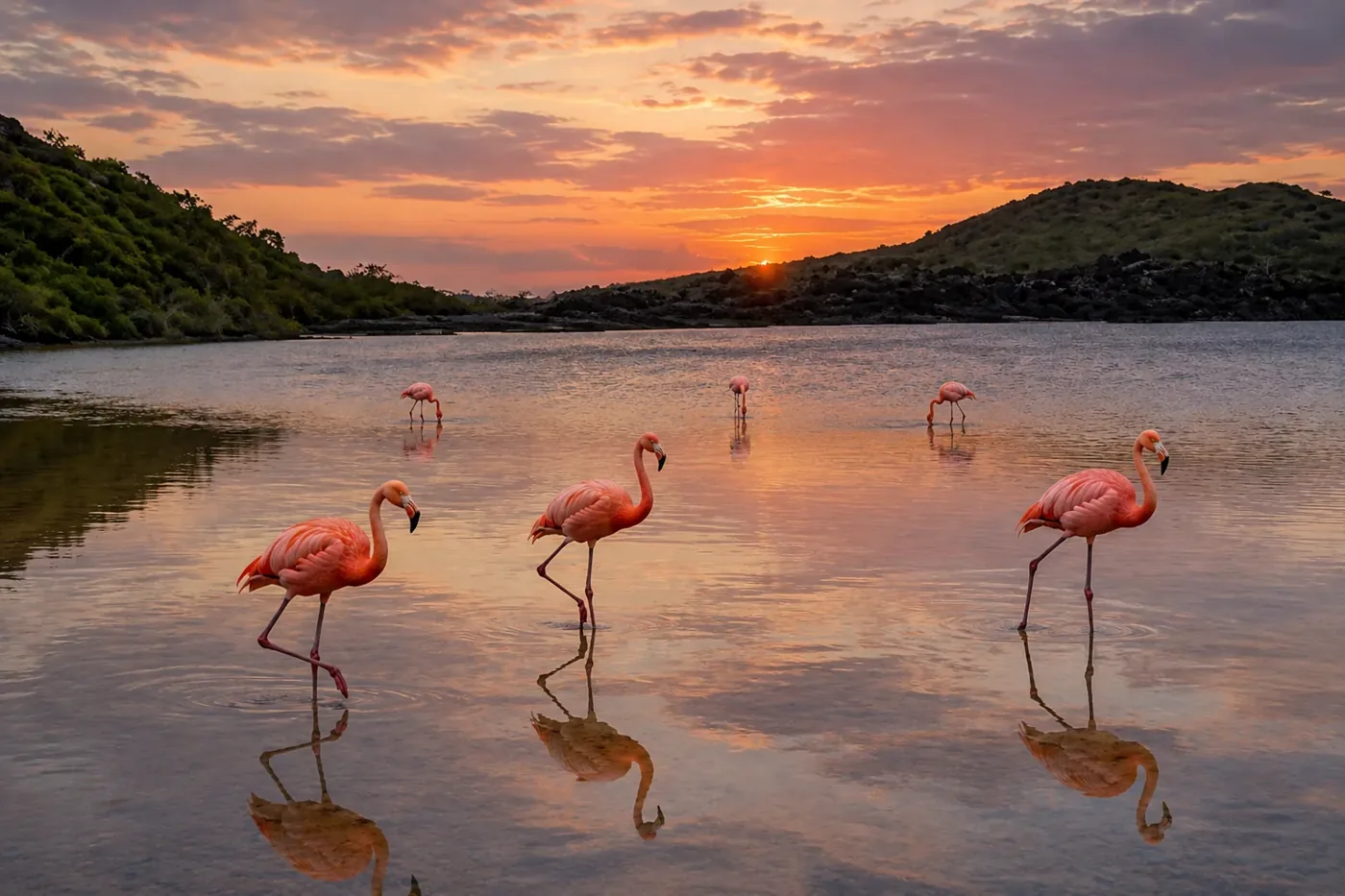
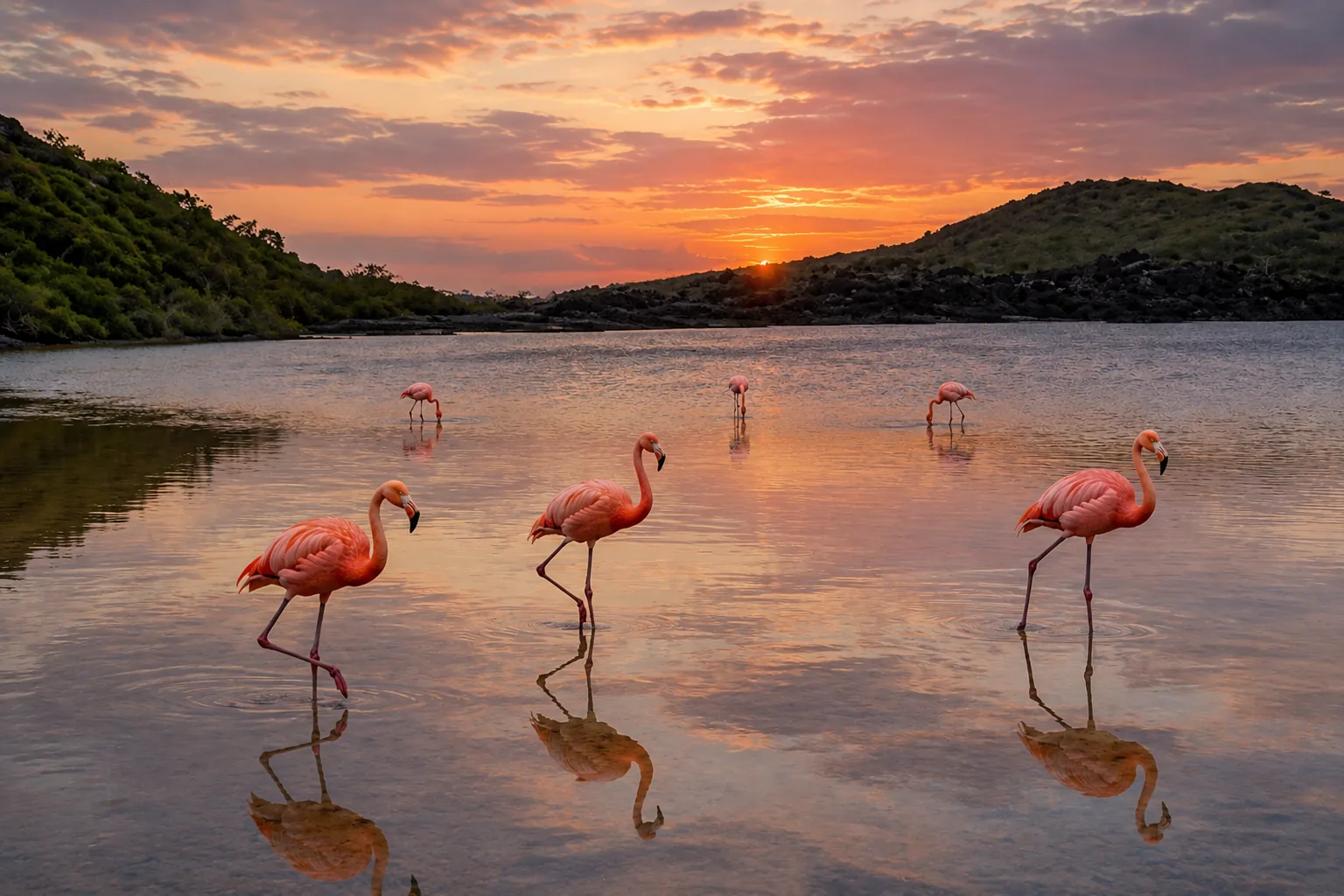
American Flamingo in Galapagos Easy

American Flamingo

Where to see it Isabela, Floreana and selected coastal lagoons
Best time All year

Brilliant pink flamingos inhabit shallow saltwater lagoons, with Isabela offering some of the most accessible sightings.

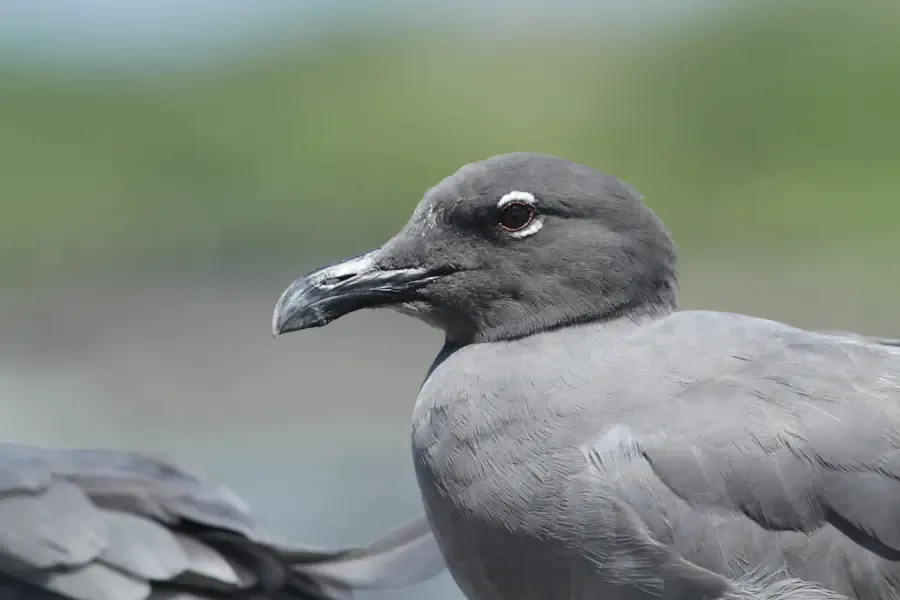
Lava Gull in Galapagos Moderate

Lava Gull

Endemic
Where to see it Santa Cruz, Isabela, San Cristóbal and coastal areas
Best time All year

One of the world's rarest gulls, this dark gray Galápagos endemic blends remarkably well with volcanic coastlines.

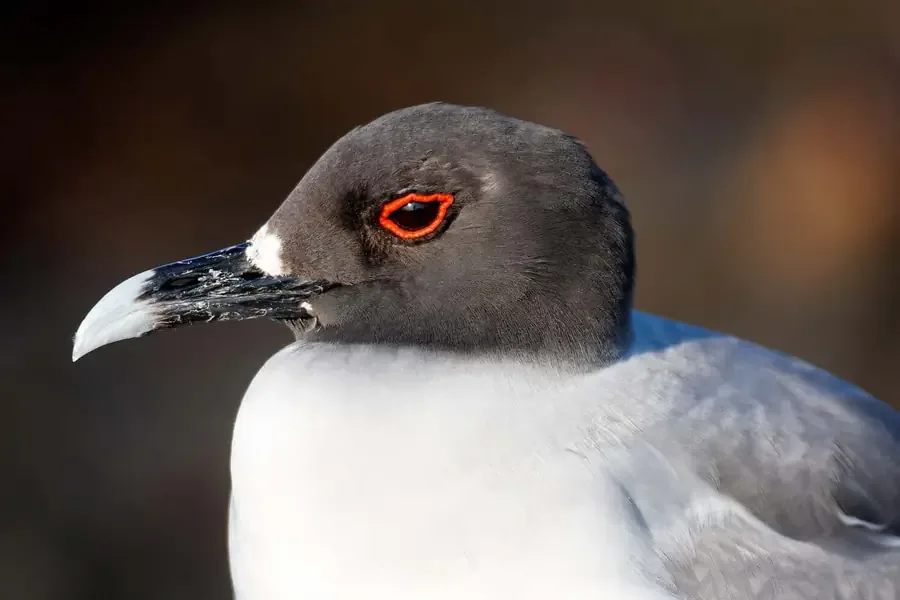
Swallow-tailed Gull in Galapagos Easy

Swallow-tailed Gull

Where to see it South Plaza, Genovesa, Española and rocky coastlines
Best time All year

A striking nocturnal gull with a red eye ring and forked tail, specially adapted to feeding over the ocean at night.

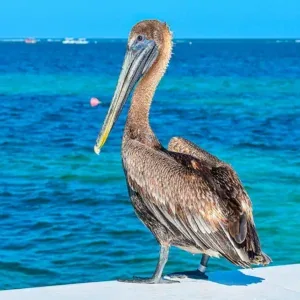
Brown Pelican in Galapagos Very Easy

Brown Pelican

Where to see it Throughout the Galápagos coast and inhabited ports
Best time All year

One of the easiest seabirds to observe, often seen diving for fish or resting around beaches, docks and fishing areas.

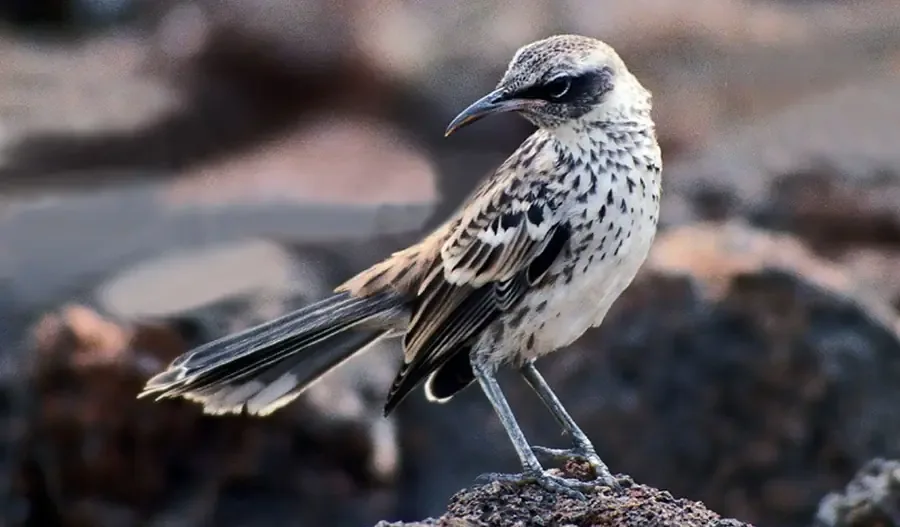
Galapagos Mockingbird Very Easy

Galápagos Mockingbird

Endemic
Where to see it Santa Cruz, Isabela, Santa Fe, Genovesa and several islands
Best time All year

Bold, curious and highly adaptable, mockingbirds played an important role in Darwin's observations of variation between the Galápagos Islands.

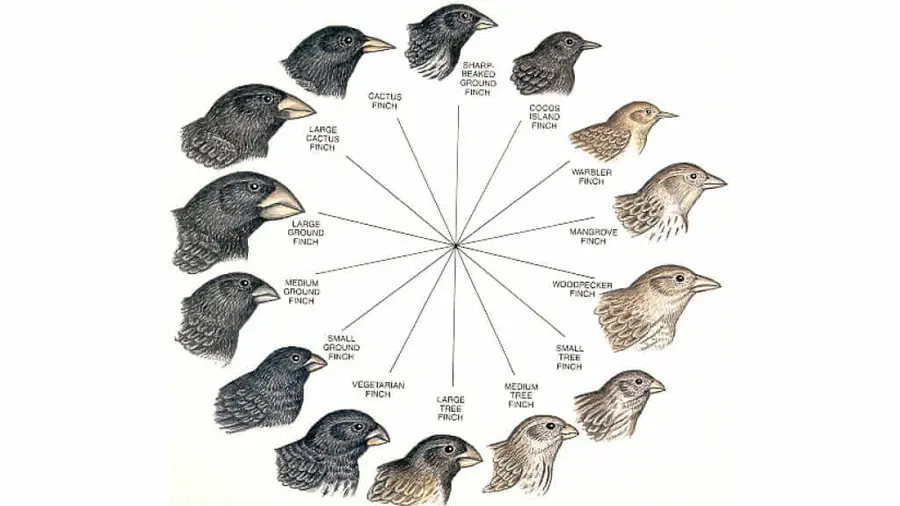
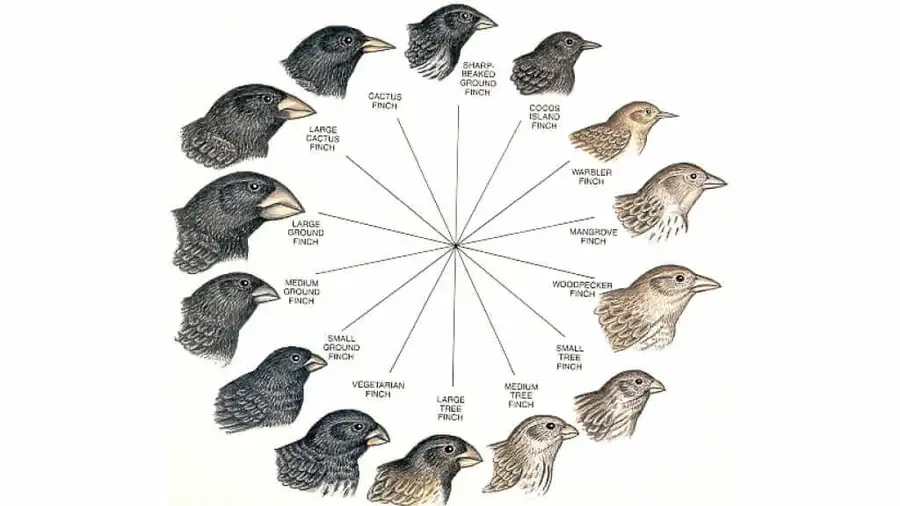
Darwin Finches in Galapagos Very Easy

Darwin's Finches

Endemic
Where to see it Throughout the Galápagos Islands
Best time All year

A celebrated group of closely related birds whose different beak shapes became an enduring symbol of adaptation and evolution.
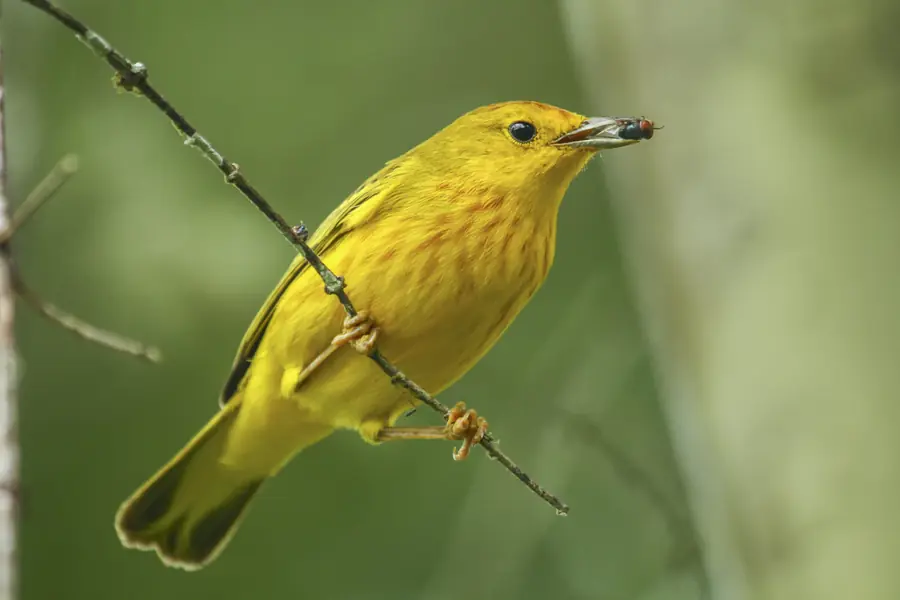
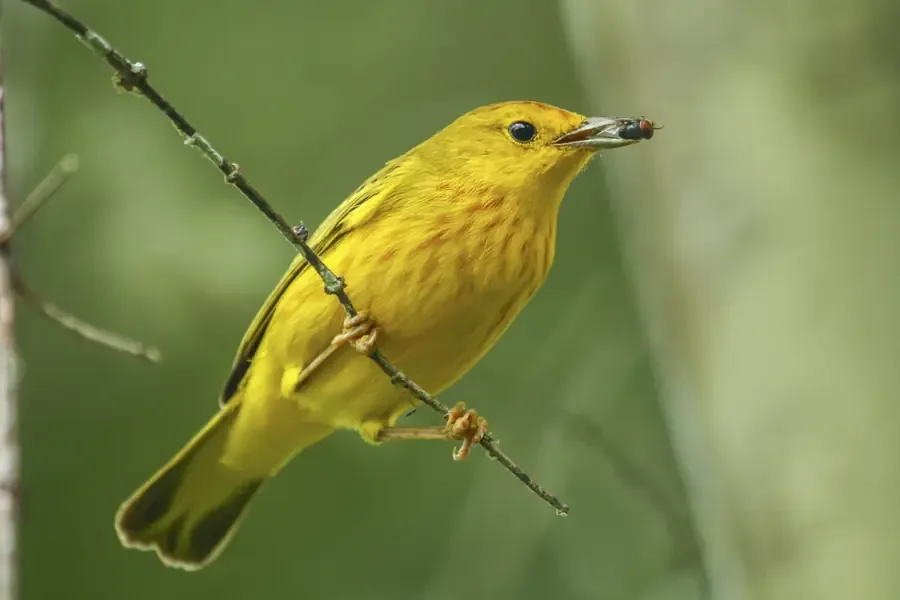
Yellow Warbler in Galapagos Very Easy

Yellow Warbler

Where to see it Throughout the main Galápagos Islands
Best time All year

A small, brilliant yellow songbird frequently seen among shrubs, mangroves, gardens and vegetation near visitor trails.

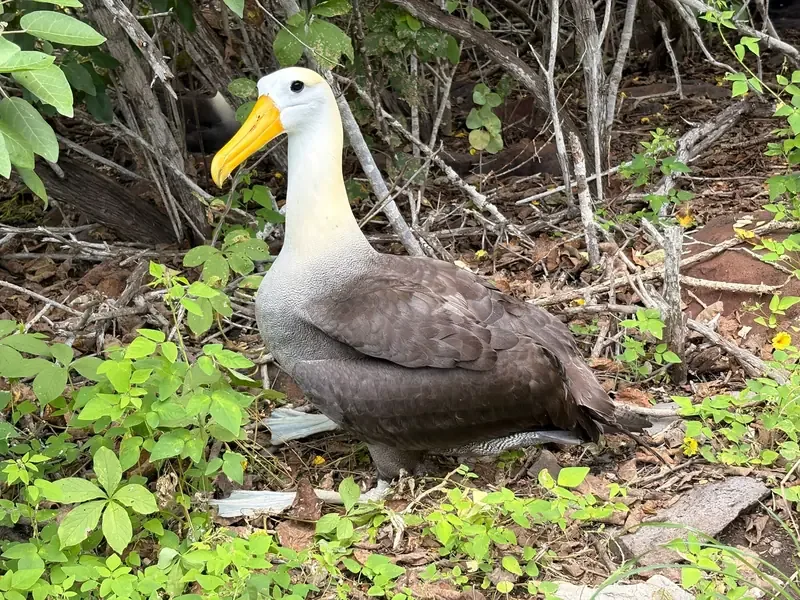
Waved Albatross in Galapagos Easy in season

Waved Albatross

Where to see it Española Island
Best time April – December

One of Galápagos' most spectacular seabirds, famous for its huge wingspan, elaborate courtship displays and seasonal breeding colony on Española.

EXPLORE THE GALAPAGOS

Turn wildlife inspiration into your next adventure

Explore day tours, diving adventures, cruises and complete Galápagos journeys.

GALÁPAGOS WILDLIFE

Explore by island

Select an island to discover its wildlife, landscapes and recommended experiences across the Galápagos archipelago.

An island guide, not a navigation chart. Kicker Rock is shown approximately.

San Cristóbal

San Cristóbal

Sea Lions, Beaches & Kicker Rock

  • Sea Lions
  • Kicker Rock
  • Red-footed Boobies at Punta Pitt
  • Snorkeling and Diving
Explore San Cristóbal →
Fernandina

Fernandina

The Wild Volcanic West

  • Flightless Cormorants
  • Marine Iguanas
  • Galápagos Penguins
  • Pristine volcanic landscapes
Explore Galápagos Cruises →

Browse cruise options; availability requires confirmation.
North Seymour

North Seymour

One of the Best Wildlife Walks

  • Blue-footed Boobies
  • Frigatebirds
  • Land Iguanas
  • Sea Lions
Explore Day Tours →
Santa Fe

Santa Fe

Sea Lions & Endemic Iguanas

  • Santa Fe Land Iguana
  • Sea Lions
  • Green Sea Turtles
  • Clear-water snorkeling
Explore Day Tours →
Pinzón

Pinzón

Sharks & Clear-Water Snorkeling

  • White-tip Reef Sharks
  • Green Sea Turtles
  • Sea Lions
  • Marine wildlife
Explore Pinzón →
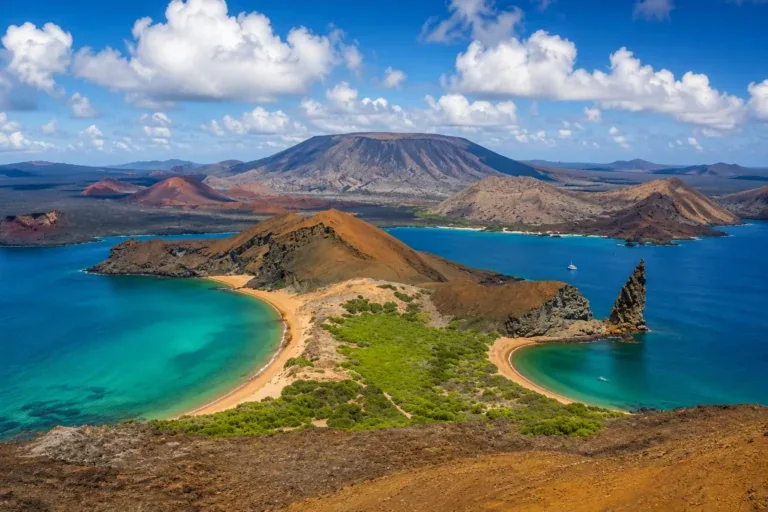
Bartolomé

Bartolomé

Iconic Volcanic Scenery

  • Pinnacle Rock
  • Galápagos Penguins
  • Volcanic landscapes
  • Snorkeling
Explore Bartolomé →
Genovesa

Genovesa

The Ultimate Bird Island

  • Red-footed Boobies
  • Nazca Boobies
  • Great Frigatebirds
  • Exceptional birdwatching
Explore Galápagos Cruises →

Browse cruise options; availability requires confirmation.
Española

Española

Albatrosses & Remote Beaches

  • Waved Albatross
  • Nazca Boobies
  • Marine Iguanas
  • Sea Lions
Explore Galápagos →
Floreana

Floreana

History, Wildlife & Quiet Shores

  • Flamingos
  • Marine Iguanas
  • Sea Turtles
  • Historic visitor sites
Explore Floreana →
Kicker Rock

Kicker Rock

Sharks beneath Volcanic Cliffs

  • Hammerhead Sharks
  • Galápagos Sharks
  • Sea Turtles
  • Sea Lions
Dive at Kicker Rock →

Illustrative map. Not for navigation.

FROM THE ISLANDS

Galápagos Wildlife Explorer

A field guide for curious travelers of every age. Mark the wildlife you spot along the way.

Wildlife is never guaranteed. Observe quietly, keep a respectful distance and let the animals stay wild. Your checklist is remembered on this device for 10 days.

Your discoveries0 / 22

Open your wildlife checklist
Giant Tortoise in Galápagos

Endemic to Galápagos

Giant Tortoise

The living symbol of the islands, giant tortoises move slowly through green highlands and dry forests. Their shell shape can vary from island to island. Some can live for more than a century.

Wild fact: They can go months with very little food or water.

Marine Iguana in Galápagos

Endemic to Galápagos

Marine Iguana

The only lizard in the world that feeds in the ocean. It dives into the waves to graze algae, then warms itself on black lava rocks.

Wild fact: It sneezes salt through its nose.

Galápagos Sea Lion in Galápagos

Native marine life

Galápagos Sea Lion

Playful sea lions are often the first marine animals visitors meet. Give them space on beaches and let them decide whether to approach while you snorkel.

Wild fact: They can sleep in the water.

Blue-footed Booby in Galápagos

Native bird

Blue-footed Booby

An unmistakable coastal bird with bright blue feet and a funny courtship dance. Look for them on rocky shores and nesting areas.

Wild fact: Bluer feet can mean a healthier bird.

Frigatebird in Galápagos

Native bird

Frigatebird

Frigatebirds glide above boats with enormous wings and barely need to flap. Males are famous for their bright red throat pouch during courtship.

Wild fact: Their feathers are not waterproof.

Lava Lizard in Galápagos

Endemic to Galápagos

Lava Lizard

Small, fast and perfectly matched to volcanic ground, lava lizards are easy to spot along trails. Different islands have their own forms.

Wild fact: They communicate with quick head bobs.

Yellow Land Iguana in Galápagos

Endemic to Galápagos

Yellow Land Iguana

These golden reptiles rest in sunny dry forests and walk surprisingly slowly through cactus country. Keep a respectful distance and never feed them.

Wild fact: They can live for decades.

Darwin’s Finch in Galápagos

Endemic group

Darwin’s Finch

Darwin’s finches are small birds with beaks shaped for different foods. Their diversity helped inspire Charles Darwin’s ideas about evolution.

Wild fact: Each beak is a different kind of tool.

Galápagos Penguin in Galápagos

Endemic to Galápagos

Galápagos Penguin

The only penguin living north of the Equator. It is small, quick underwater and often spotted around Isabela and Bartolomé.

Wild fact: It cools down in shade during hot hours.

Green Sea Turtle in Galápagos

Native marine life

Green Sea Turtle

Sea turtles glide through bays, mangroves and clear snorkeling sites. Watch quietly from a distance and never touch them.

Wild fact: They return to nest near where they were born.

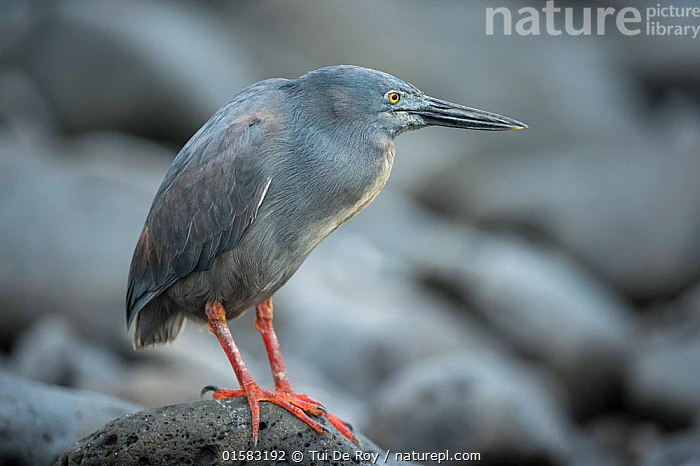
Lava Heron in Galápagos

Endemic to Galápagos

Lava Heron

This compact grey heron blends so well with lava that it can look like a rock until it moves. Look slowly beside tide pools.

Wild fact: Stillness is its best camouflage.

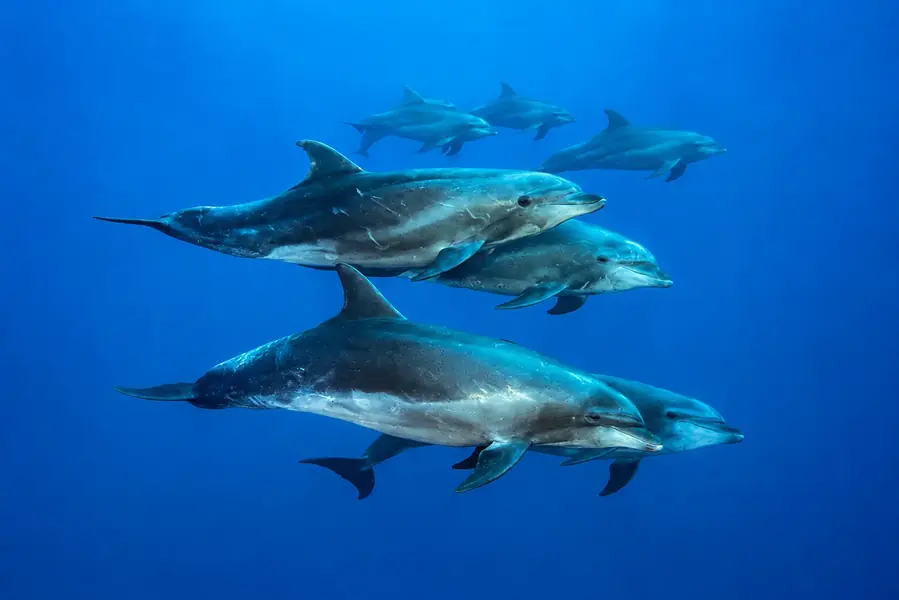
Dolphin in Galápagos

Ocean sighting

Dolphin

Dolphins sometimes race alongside boats and leap through the waves. Seeing them from a boat is one of the most joyful surprises in the Galápagos.

Wild fact: Dolphins use sound to explore their world.

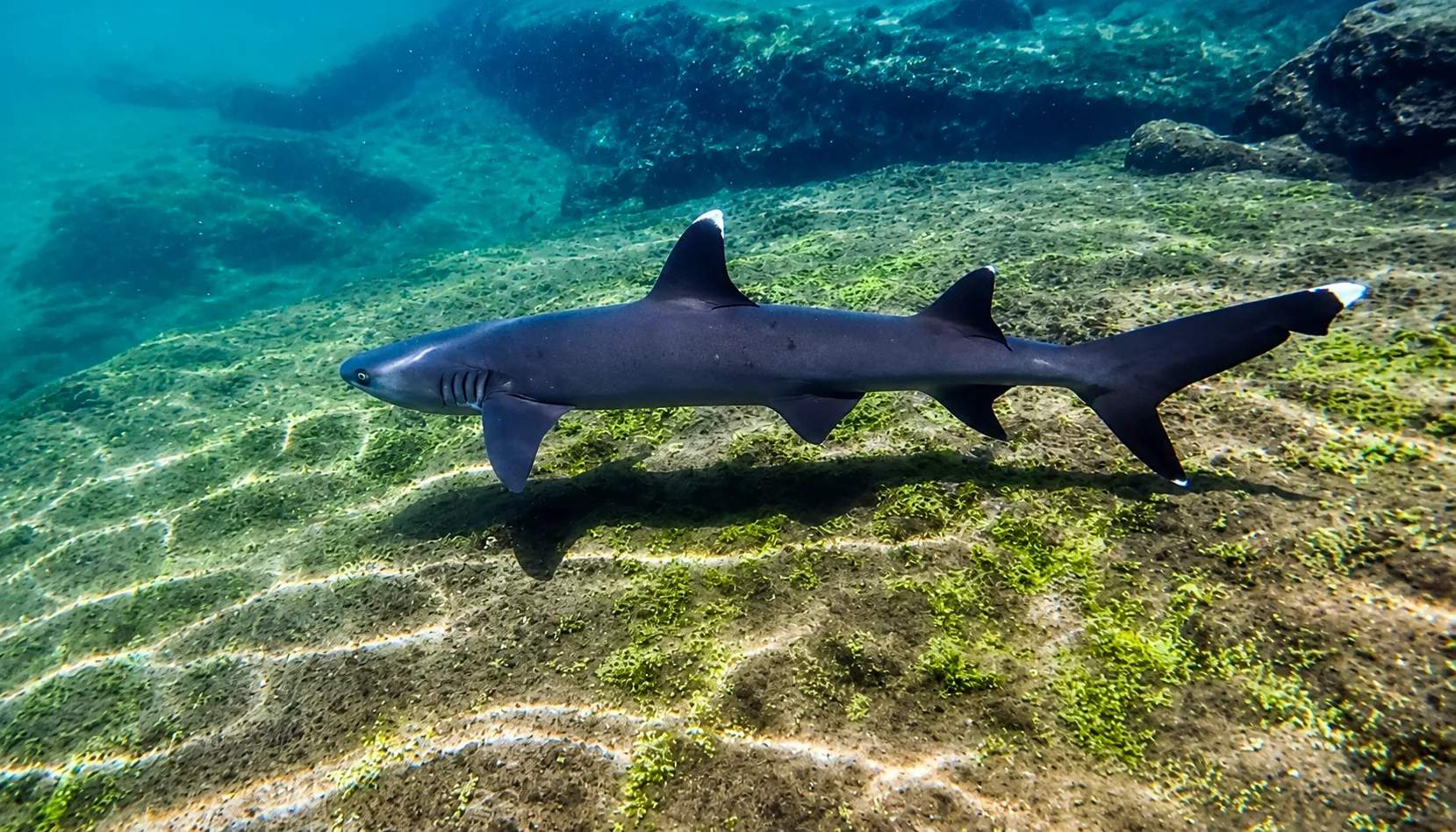
White-tip & Black-tip Sharks in Galápagos

Special underwater sighting

White-tip & Black-tip Sharks

These sharks may be seen around reefs, shallow channels and clear snorkeling water. They are part of a healthy ocean and should always be observed respectfully.

Wild fact: White-tip reef sharks often rest during the day.

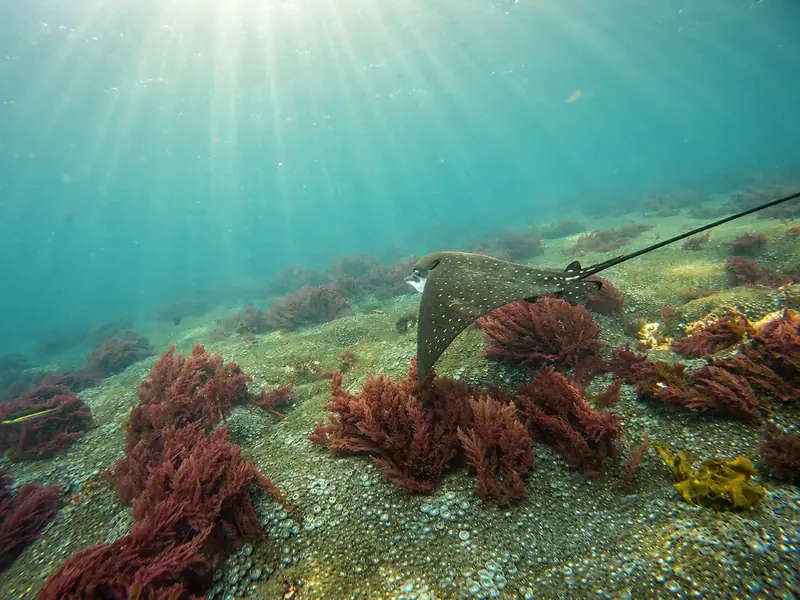
Spotted eagle ray in Galápagos

Special underwater sighting

Spotted eagle ray

Rays glide gracefully above sandy bottoms and reefs. Spotting one feels like watching a bird fly underwater.

Wild fact: Rays are relatives of sharks.

Pacific Seahorse in Galápagos

Tiny special sighting

Pacific Seahorse

Seahorses are masters of camouflage and can hide among algae, coral and mangrove roots. Look closely and patiently.

Wild fact: The father carries the babies.

Galápagos Flamingo in Galápagos

Special island sighting

Galápagos Flamingo

Flamingos gather in salty lagoons, especially on Isabela and Floreana. Their pink color comes from tiny organisms in their diet.

Wild fact: They often stand on one leg to rest.

Parrotfish in Galápagos

Native marine life

Parrotfish

Bright parrotfish use beak-like mouths to nibble algae from reef surfaces. Their colors can be spectacular underwater.

Wild fact: Their feeding helps create sand.

Nazca Booby in Galápagos

Native bird

Nazca Booby

A large white seabird with a bright orange bill and dark face mask. Look for colonies on rocky islands such as Española and Genovesa.

Wild fact: They nest directly on the ground.

Galápagos Yellow Warbler

Native bird

Yellow Warbler

A bright little yellow bird that is easy to notice in bushes, gardens and dry forests. Listen for its lively song as you walk through the islands.

Wild fact: Its yellow feathers help it stand out among green leaves.

Manta Ray in Galápagos

Rare ocean sighting

Manta Ray

Gentle giant rays can glide through open water with slow, graceful wing-like movements. Seeing one is rare, exciting and never guaranteed.

Wild fact: Manta rays are relatives of sharks.

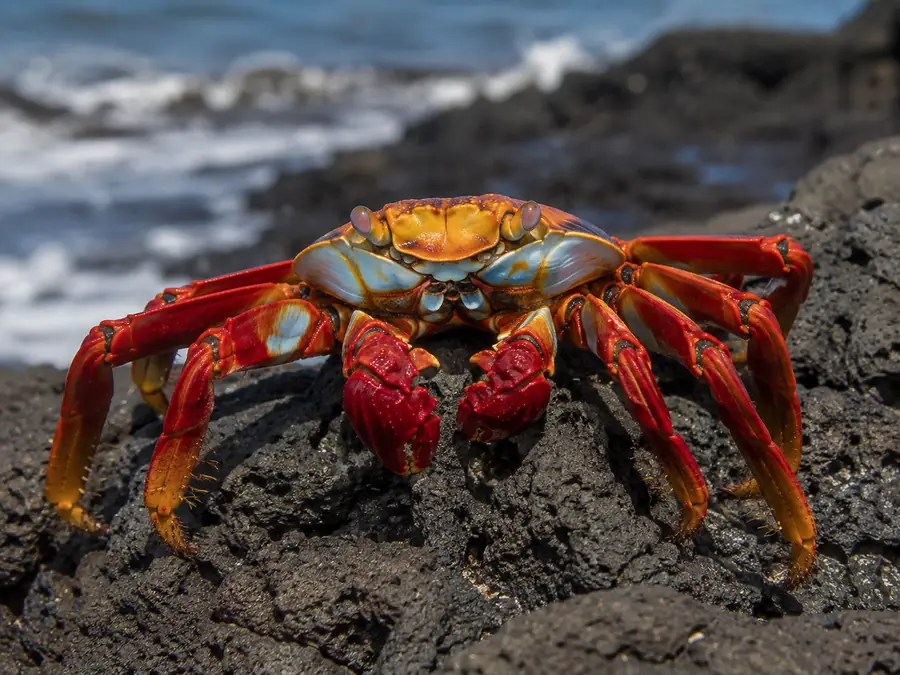
Galápagos Red Crab

Native coastal life

Galápagos Red Crab

These bright red crabs move quickly across rocks and shorelines. Look carefully at tide pools and lava coasts, where they help keep the shore healthy.

Wild fact: Their color makes them easy to spot against black lava.

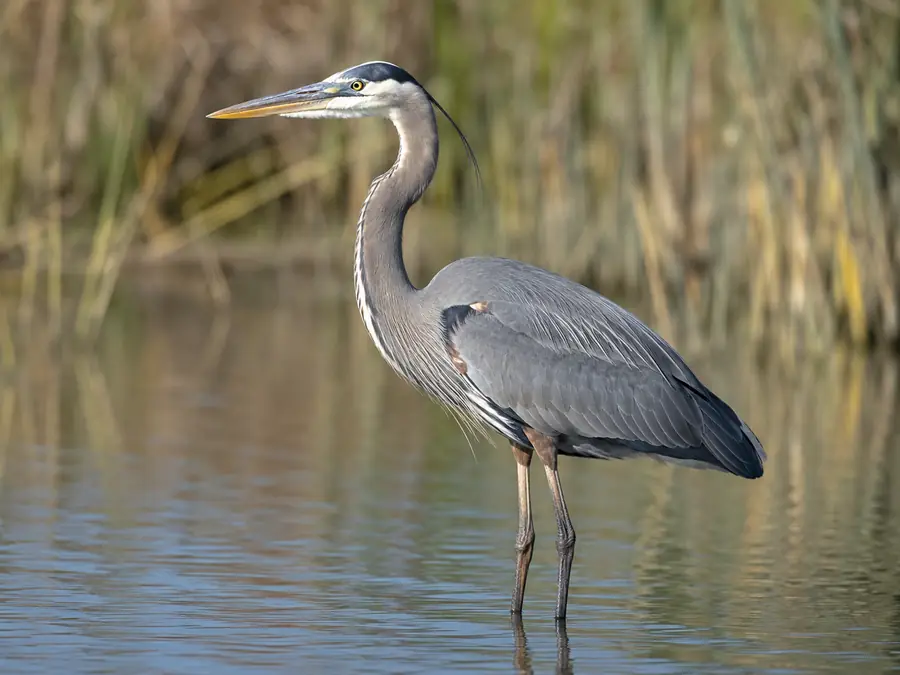
Great Blue Heron in Galápagos

Native coastal bird

Great Blue Heron

A tall, patient hunter often seen near lagoons, mangroves and rocky shores. It stands very still before striking quickly for fish.

Wild fact: Its long neck folds into an S-shape when it flies.

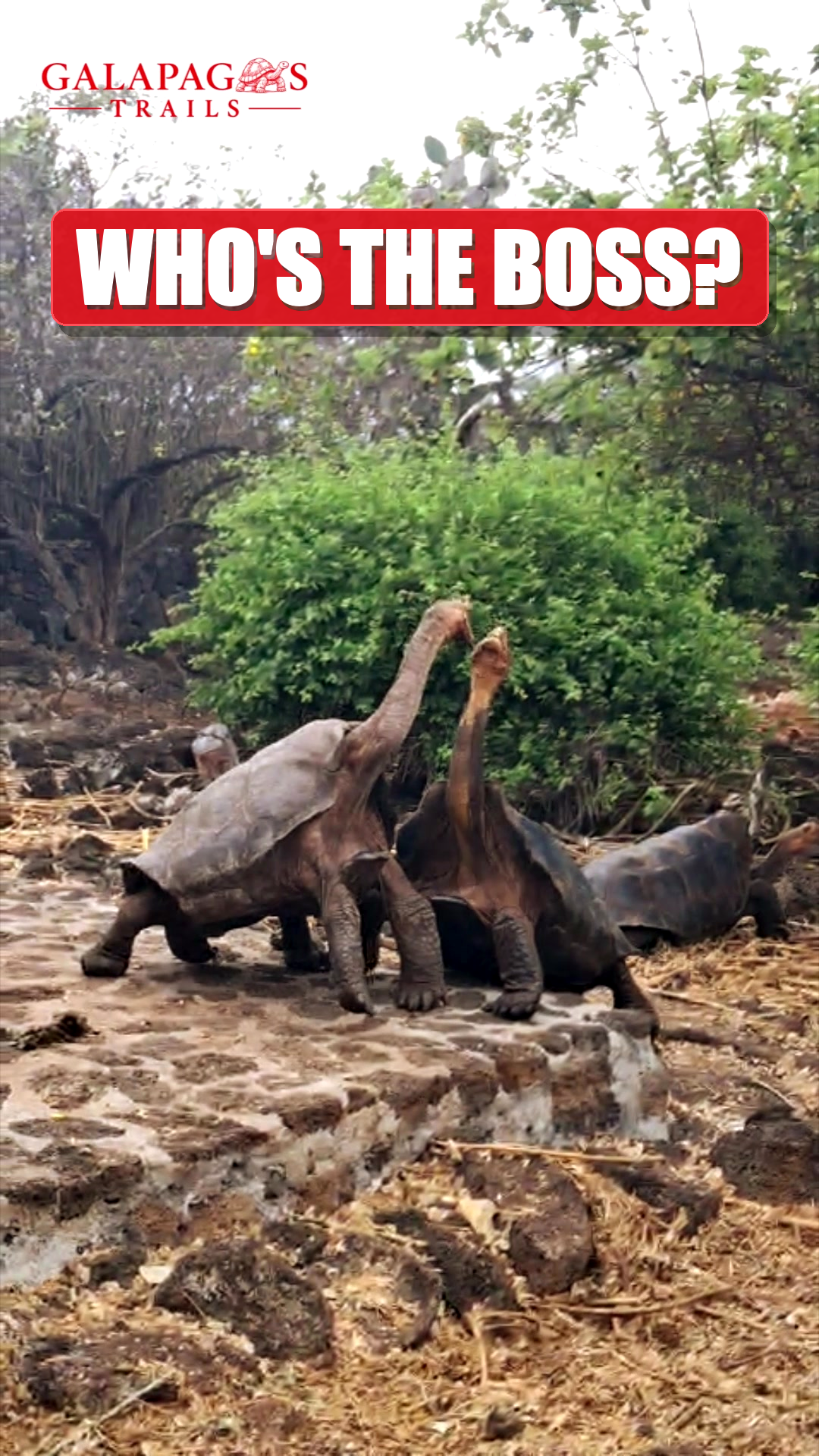
Two giant tortoises in Santa Cruz

FROM THE ISLANDS

Giant tortoises
in Santa Cruz.

Watch a moment with the giant tortoises of Galápagos.

Open on YouTube

YOUR NEXT CHAPTER

Make it your
Galápagos.

Turn your reading into a journey designed around you.

Plan your journey →
EXPLORE GALÁPAGOS TRAILS

What are you looking for?

Explore the links below or enter a search term.

Your search stays in this browser.

Search needs JavaScript. You can use the links below instead.

Special Offers
WhatsApp

Talk to our team

Choose who you would like to contact.

SergioCatalina